I'm excited. I'm excited to do it.
Yeah. Cool. Cool. So, Chris, where are you from Chris?
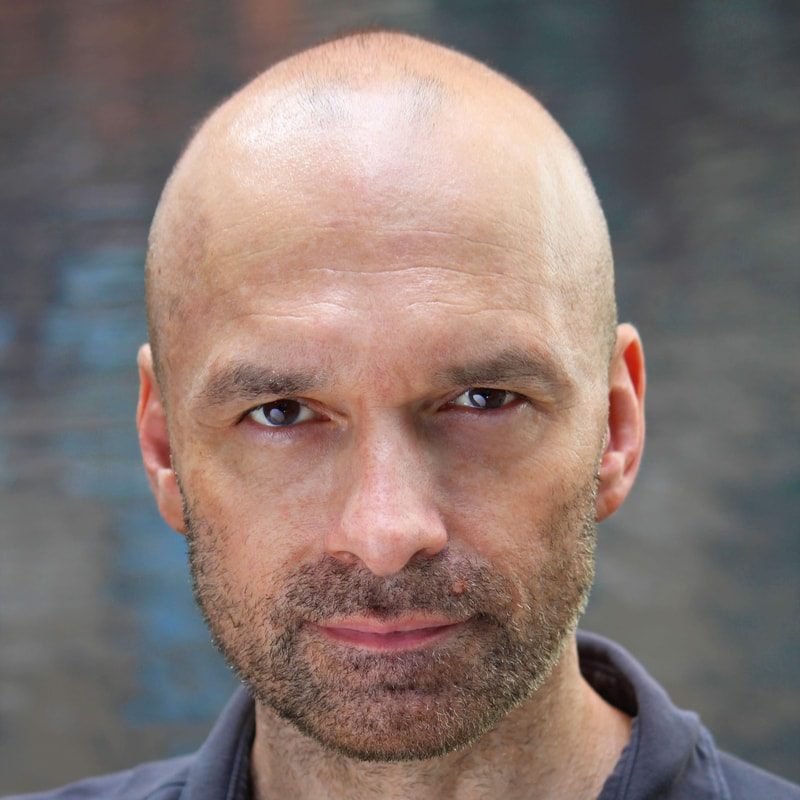
I'm from Memphis, Tennessee originally, but I've lived in New York now for, oh my gosh. I don't know, 15 to 20 years somewhere in there. So I feel like in new Yorker now,
And your main focus as a human being and as an artist is in the world of Up comedy, right?
Yeah. I mean, I definitely am one. I'm kind of one of those slash people, I guess. I mean, it's kind of hard, especially if you live in Manhattan to kind of make a living on one art. So I'm a standup comedian and an actor, and I've been in a few things and I've taught improvisation for a pretty good chunk of time. And
Then you teach improv at the PIT. Right?
I teach improv at the PIT Peoples improv theater. I've taught Improv for probably about 13 years now. And I've taught an intro stand-up class at the PIT for about three years. And then I also have done my own private, you know, private sessions with people and work with people outside the theater, more as it relates to like private coaching and things like that.
And then did you study you CB the Amy Poehler Siri program?
I started when I first came out to New York, I started with second city. They had a second city program at the time and they had five levels and they were going to start a theater in New York at the time, I guess that was the aspiration. And I was fortunate. I started studying with all of the three members of what's kind of known as Centralia. Now they used to be burned Manhattan. And then I also studied with Jack McBrayer. Who's in 30 rock on second city as well. And then after I completed their program, I auditioned and was in the second city review showcase that was here in New York, which was Improv to sketch. And it was also had music and there were singing any choreography. It was a lot of fun.
And then I went to UCB, upright citizens brigade and went through all of their levels. And there, I remember I had some really good, I've really been lucky with teachers. I had, I got to study with Seth Morris who is amazing. I think he was the artistic director in LA UCB for awhile. And I studied with Billy merit. The Billy merits, the only guy I've ever taken two classes from Billy was fantastic. He also wrote a book, robots pirates and ninjas, which I would highly recommend. It's very good. And then I studied with Matt Walsh at UCB. So I kind of caught him back when he was in New York a little bit. And that was a lot of fun.
And then w Walsh also directed a Improv sketch show that I did at UCB. That was also interesting. So it's early on, I got a lot of Improv, but I also got a lot of training as far as like how to translate improvisation and make it into written form and make it into sketch. And then, you know, as, as we know, then I drifted to the PIT after that,
And then you cheat. That's how we met. He, you were my teacher at the stand-up for Stand Up for the Stand Up. Yeah, yeah, yeah, definitely. I learned so much information and I'm so grateful for you in the class and everything you taught us. And it was really cool seeing from day one, the, you know, the, I guess the verbiage is stream of consciousness. And then so me going from storytelling to stream of consciousness to getting it down to the format of set up punchline tags, set up punchline tag and, and how, you know, challenging, you know, and how disciplined one must be to create that. And then, you know, boom, like six, seven weeks later, I'm on, I'm on a, I'm on a stage with you and I'm doing my first Stand Up, you know, performance with these written jokes.
And it was just like, it was really fun. It was, it was a lot of fun. And I learned so much in a short time and, and now I'm just like, you know, I have some legal pads and I'm just writing, but I, for me, it's like, I need to be able to, the, the writing part is sitting down and actually like writing it in the, in the format. But it also, I look forward to it as well. Everyone has their different challenges.
That's great. Yeah. And, you know, eventually you'll find a format that works for you. I mean, I think that a lot of, you know, set up punchline format is kind of just middle C on a piano and eventually people can kind of play jazz. So ultimately I think with Stand Up, it's really just kind of finding your voice and you're just, you're writing to a laugh count. You know, you want to try to get people laughing as much as possible and whatever format that takes long-term, that's fine. It's more, just a, it's a good baseline way to start thinking about writing jokes.
Yeah. And I love, you know, how, while I was there, I learned we, you know, right from the core from the inside, which is like an auto biography. And that was like really interesting because then I went on to watching all these Netflix specials and I mean, I have a huge list and the list just goes on and all these amazing and not amazing, you know, all these people in the, in the, in the world of comedy elicit these people and just like really identifying and appreciating each individual as an art form and, and their own personal stories. And, and all of it is rooted from, you know, the truth of the personal stories.
And like you were saying, like, no one can do what you're going to do. No one can do what I'm going to do because we all have different circumstances and those fine ID details make or break, you know, the one joke from another and one story from another,
I think so, I mean, I was just having this conversation with someone yesterday, weirdly enough, we were talking about the Dave Chappelle special and just stand up in general. And they were more of the mind that they only wanted the funniest people to get opportunities for things. And it should always be about the funniest people. And I was sort of basically saying, what you're saying is that it's good to have everyone's story involved. You know, I like, I like autobiographical based Stand Up or at least to start out from an autobiographical standpoint. And then as you evolve, it's going to sound like your own personal story anyway, because you'll have developed your voice, but then ultimately it's great to have just people from all walks of life and all different life experiences and to hear, you know, what they, that they want to talk about.
And again, I mean, ultimately any professional comedian has to be funny. That's sort of a prerequisite, but it's nice to have. It's nice to have all the stories out there now. And it's nice to hear what different, different people's perspectives that are kind of into the marketplace these days.
Definitely. Definitely. Who are your go to a couple of your legendary classic standup comics?
Well, I mean, growing up, Steve Martin was a big influence on me growing up. And sadly bill Cosby was a big influence on me growing up, which is, it's kinda sad, the path that his life ultimately kind of took, but I had all of his old albums, red Fox was kind of someone that I was always into. I think maybe it was just more because he was dirty. And I don't know if it was kind of taboo at the time, but I used to love to listen to old red Fox recordings. And yeah, I don't know that I don't now I'm trying to go back. I maybe I did have a red Fox record. I definitely listened to red Fox and I don't know if it was through cassettes or record players, but I definitely would listen to some of his old stuff.
But now with the, I know with Steve Martin, I would get his albums because I know the particular album that I really like. He had an album called let's get small. And that was one that I remembered was really, really kind of, oh, wow. That's really cool that you can do that. And I think it's, it kinda makes sense with me now because I do a lot of comedic acting and improvisation, but I'm also a standup comic. So Steve Martin, I can see like a younger me kind of split the difference between the two. He was very presentational, but at the same time, he's really, really good. He's just a really good comic. And then Eddie mercy was a big, big influence. I was an, he probably for the same reasons, I was blown away by anyone that could do SNL and then act in the films that he was acting in and saying, and just all around.
And I would still say, at least in my lifetime, I think pound for pound in terms of raw talent and versatility, I think 80, Murphy's probably the most versatile and talented comedic artist in my lifetime. And then, yeah, and then it kind of evolved. I was huge and I still am. I'm a huge Chris rock fan. And, and I guess now my favorite meeting is, you know, I mean, and I like a lot of comedians, but I love Dave Chappelle. I love, love, love Dave Chappelle and then Joan Rivers. I've always loved Joan Rivers a lot. So yeah, I always, I always found her just to be fearless and very, very funny.
And I've always enjoyed kind of watching Joan Rivers and it would be fun. I wish you were here now. I would love to see kind of how she would take her spin on things in modern times.
I mean, call me naive, honestly. Like I had no idea she did Stand Up. I just remember her. She was like the red carpet lady who was just like balls out about things. And then she had like a daughter and they were always together. But yeah. And then
That's, what's funny sometimes about how the, how it evolves because you know, like, so to a younger person, Steve Harvey might just be the host of family feud, but Steve Harvey is a legendary stand-up comic, you know, with the Kings of comedy and just, you know, he was to be reckoned with. And, and I don't, I don't, I know, you know, he still does Comedy of course, but it's funny how a lot of people think, oh, Joan Rivers, she does those takes on people's fashion or eat television. And then it's like, no, she's, she's legendary standup comic, or even like Ellen degeneracy. And I know she did a special in the last year, but people think of her. She's a great Stand Up,
Watched it in our journey through class. I wash it. And I just loved because from what you taught me about, like, oh yeah, the younger comics they speak really fast are loud. And so she was just very reserved. Took her time. She was very quiet and it's like, wow, like this is her experience. And then people are saying it, so it's called relatable. And people were like, you know, how are you going to do stand up? Like, do you think you're relatable to people like, like that connection? And then she just obviously is who she is and she did what she did. And it was just amazing to know just a little bit about the craft and knowing, you know, seeing her career evolve since I was little and then watching her do stand up and it's like a big wind of inspiration, you know, for, for like planting a seed for like my potential future, God willing one day.
Well, that's what I mean, you know, a lot of it, I mean, she's kind of now in, I mean, she's very iconic, you know, American part of the American landscape, but you know, I mean like Ellen degenerates, her, her tonight show special, her first one conversations with God legendary. And, you know, she had a television show and she wanted to come out, you know, as a gay character. And she really, you know, she really, she fought a lot of battles for people and she was, you know, fearless in that way. And now, you know, now she's kind of, she's in a great groove now. She's just basically, you know, everybody's favorite talk show hosts, take time, talk, show hosts. So she's, but she really did.
She really did blaze a lot of territory and help. A lot of people kind of opened the door for others to follow.
Yeah, she's so sweet. I was little, but I remember there was like a big whole thing about like, you know, her coming out and stuff and like the media really ran that one to the ground. Right.
Well, yeah. Cause she was the first, I mean she already had a successful television show and that's, and so it was very, you know, you can imagine, I mean, I'm sure everyone in her camp were like, what are you doing? I mean, you're committing career suicide, but it was important to her. And ultimately, you know, she just, she wanted to represent herself. I think that's artists, ultimately it's a path to your own self-expression and you're, you know, artistically, you're only going to be as interesting as an artist as you can bring yourself to the party. So, you know, so nobody really wants to try to, you know, you want to be yourself, ultimately bring, bring your own voice to your art. And I'm sure that probably had a lot to do with it. Yeah.
I was listening to the audio book, Katie Carex audio book and she has different people on it's so cool. There's comics, Steve Harvey was on there and you know, I, but first also like Ellen was on there and she gave this scenario how, you know, someone in her life, I think her partner passed away in a car accident and she really had that time to isolate and reflect at a very young age. And that's when she wrote the conversations with God. And that's when I went online to, to watch it. So, and seeing her like, so, so super young, I think she had that fluffy hair. Yeah. But besides the talk show thing, I haven't actually seen her character piece on it.
If there's, you know, I work in work in, someone's seen,
Well, I think for, I mean, for conversations with God, you just would go, you're just her tonight's opiate. But I mean her, she, her television show though in general, people can just Google it and find it. It was, I mean, there was multiple seasons And I haven't seen, I don't think she did a one person show out of it or anything like that though.
Okay. Yeah. I'm going to look that up. So since we're talking about that, Katie Kirk book, I'm also Steve Harvey, there was a son, they told his, his life story, his scenario of what happened and it's just remarkable. And I definitely feel like everyone should definitely hear that read.
Yeah. I mean, they really, I mean, you know, blade blazed the path and I really do think for any standup comics, if they haven't really watched the Kings of comedy, you know, it's kind of a it's must, must see she, everyone should see it because all, all of the people on that tour have amazing stories. And, you know, Bernie Mac, particularly out of that tour, Steve Harvey was obviously on that tour as well. But Bernie Mac was also, I'm a huge, huge Bernie Mac fan and I've read two of his autobiographies and they all, you know, they came, it wasn't easy. And a lot of the Kings of comedy to a really Cain because people like Steve Harvey and like bringing back, they, they really weren't getting some of the opportunities they wanted.
So they were like, well, let's just start our own, you know, they started their own tour, did their own thing.
So I've heard about the Kings of comedy. I haven't seen it yet. So definitely during this time of, you know, isolation everyone's at home, I think it would be a really opportune time to be able to watch
It on Netflix. Yeah. Cool.
Yeah. I'm surprised that's not on my list, but I am, I am on it next time you talk to me, I'll be like, yeah. By marathon that cool. So do you know Steve Harvey story? Does it say on that his story,
They didn't really get into anyone's story. I mean, basically, you know, there's DL Hughley and, and Steve Harvey and, and Bernie Mac and they, it was like four of them and they were friends and they just really start from the concert of them doing a show together. So they would all get up and do stand up and they were selling out all over the country and it started out that way. And then ultimately it became a documentary film and that's what Netflix is basically just shooting the special, but they don't really get into a lot of people's backstories. A lot of it, I mean, to some degree, a lot of it is, you know, I think it's hard for any standup comedian to really get anywhere, but I think, oh, they were, you know, there were older African-American men.
And so, you know, it was a lot of grind. I'm much more familiar with like Bernie Mac than I am as far as like Steve Harvey, as far as like what he kind of went through. I think probably the first time I ever was even introduced to Steve Harvey was through that film.
Well, I mean, do you want to hear a little bit of the backstory that I picked up from the book? Sure. Okay. So I'll just do this in brush and it's not going to be like 100% detailed, but so he, he had his car, he was driving somewhere. He had like $300. He got a call to do a show in Florida. He did a show, he went to a payphone to check his messages and it was the Apollo and asking him to do a show on Sunday. It was a Thursday or a Sunday and he called back right away. And he's like, you know, this is Steve Harvey. You called me to do a show. Like, you know, they're like, get here. We want, we want to give you a show and you know, we're going to pay you $500 or something like that.
And, and he didn't have the money. He's like, yes, I'll be there. And so he went to Florida, he did the show and I guess it went over so well that he was able to be booked on a second night. And it was like, oh, it was like $150 a night. And they, it went so well. They booked him again. So we did two shows in a row. So that got him the $300. And like, he bogeyed his way. I don't know if he, I think he drove at the end. He drove when he got to the Apollo and he was there and it was like 12 or two. And they're like, ah, we're not open. And he's like, yeah. I came here, like I have nowhere else to go. And they allowed him to go to the dressing room upstairs. They're like, you can only stay here if you don't come down. So around like three or four, he came down and the guy's like, what are you doing?
He's like, man, he's like, I haven't eaten anything. Like I need to eat some food. So we went across the street to this chicken joint and he got some chicken and he had to come like right back. Or they were going to lock them out. It was like, he got chicken. He went back upstairs, had his chicken, he went on and the, the, the two owners announced him as Steve Harvey up in calming. Like, he's the next biggest hottest thing. And like this whole thing. And then he completely bombed, he completely blossomed. It was so horrible. Like he left, like he wasn't going to go back. He, he thought he wasn't funny. He was like sewn his head. And the guy went into the dressing room. He's like, you know, like, he's like, yeah, I'm packing up.
I know. I'm so sorry. He's like, yeah. You know, like that was like a real bummer. Like basically you're not getting paid and he's like, I'm not going to take the money. The guy's like, yeah, just see you later. And then at the end, the guy's like, I don't know who that guy was on stage, but tomorrow bring Steve Harvey. And then the next day Steve Harvey came and he went onto the stage and there was no introduction, like, oh, the newest comic, the upcoming Dara. And he, and he went out there. He's like, wait a minute. And he's like, he's like, where's my introduction. Like yesterday, you said this this time, you didn't say anything. And people started cracking up. And from there he just like went off. It was like stream of consciousness.
And he went off for like, whatever show was like 25 minutes. Oh, he the first show he had like 25 minutes. He did everything like in 12 minutes. So the second show, it was like full of like stream of consciousness. People were cracking up. Cause he went out there like, Hey, like why, why aren't you introduce me as blah, blah, blah, blah, blah. And people were cracking up. And so he got his jokes in and then he did, you know, however, he did his thing and that filled up the time. And it was just like, it was just like a hit from there. But it just a psychological aspect of like, he was there booked on the show. And he's, he's thinking about all these other people who perform there and he's like, I'm not funny. No one wants to listen. Listen to me. He threw himself under the bus and he went out there and he bombed.
And then, you know, so it happens to the best of us. Even, even Steve Harvey, Steve Harvey wouldn't have gone back that time. Or he's like, I'm throwing in the towel. Cause that's what he was saying. Like there would've been no Steve Harvey's career. So he, he speaks about that in his own voice, on, on Katie Kirk's book, if you want to hear it better. That's great.
Yeah. And I think most stand-up comedians, they have some version of where they just decided to keep pushing through. I mean, Bernie Mac's book is a I in afraid of you. And it's basically where he had a big set and everybody was bombing. It was like the biggest sentence career. And he just kind of started telling the audience, he just started attacking him and saying, he's not afraid of you. You know, bill Burr has a set where Philadelphia was booing him when he walked out on stage. And it was like huge thousands of minutes. If you ever Google bill Burr, Philadelphia rent, he just, he just basically told Philadelphia what a horrible city they were. And he just kept going and going and he turned them around and then they started, Nick started applauding him.
You know, I think everybody bombs and everybody has a moment to where it's that standup is just completely it's you against the audience on a lot of levels. And you have to, if you show weakness, it just doesn't work. And that whole idea of you bringing your best self and not really looking to the audience to validate your best self. I think there's a lot of comedians that ultimately kind of get to that point where they're doing it for themselves and John Stewart. There's a story about John Stewart doing a late night check spots, I think at the comedy cellar. And it was only a few or three, two or three drunk people. And it would be like 1:00 AM at night. And he, he just eventually was like, I don't, I'm, I'm doing this for me.
I'm not doing it for them. And I think there's a switch that goes off in a lot of comedians heads at some point like that. And that's where the power is. Unlike a lot of other art forms where there's a more of a collaborative nature, you're collaborating with the audience, but you're, you have to clearly be the one driving the bus at all times.
Yeah, yeah, yeah. Side note, bill Burr. He has a, a TV show F is for family. It's his animation.
I've been wanting to watch that. I haven't seen that, but yeah, I've had people tell me that they really like it. Yeah.
Yeah. Definitely. Like, so with my background and my wild personality and very outgoing, like I'm very, very introverted, you know, and, but I'm also very extroverted and on sometimes when I'm extroverted, it's like a put on mass, so you don't see the real intimacy and vulnerability of what's going on inside. So I'll just be extra loud and it distracts from like, what's going on inside. Like, it's, it's a huge shield shield I put up for many years. But so with the Stand Up Comedy thing, like after, after the class ended, you know, I started going to doing some open mikes and although I didn't have, you know, I had the jokes that we worked on in class and I've been developing some jokes, but I didn't have like new jokes and, and I would just go up there and just kind of wing it and, and just to have the practice of winging it, the practice of seeing what it's like when I'm prepared, when I'm not prepared, just the confidence of going up and just to do it and just like hearing where people's responses if they like it, or they don't.
And, and, and just telling myself, I don't care, I don't really really care or whatever. It doesn't matter. So all of those things play into the development of the whole. So some people, you know, they ha they're intimidated and about going on stage or they're intimidated about, you know, being seen. And, and for me, I just have that gift and presence of just being on the stage and doing it. And I know that, and I have that there. And although I know that, and I have that there, I would still continue to push myself to go out to open mikes in LA, in New York and just go out for open mic, just to be out there and present and to learn the community and just kind of try new things and just kind of just fall flat and just allow permission just to have fun and to fall flat.
And it could be higher or lower that jittery feeling just to kind of develop that internal experience with that.
Yeah. I mean, everybody's got to figure out their own path. I mean, so everyone kind of goes at it differently. I, and you, you know, you have a, cause you, you spent time on stage with your music. So you already have that competence as far as being in front of the audience. I mean, ultimately people have to write a set and then that's sort of the whole thing. Any, every comedian, they have a joke and they keep doing it over and over and over again until it becomes a diamond. And then they, they keep it, they put it in their pocket and it's like, oh, cool. That works. Now write another joke. And I think that whole maturation process is it's hard. I mean, it's just hard for people to get around. And so part of it is like confidence on stage and things like that.
And then part of it is just the grind of having to write a set, you know, because I, I love improvisation as much as anybody. I mean, I've done Improv longer than I've done Stand Up, but you can't, people can't improvise their way to ever become an, a standout. Eventually they're going to have to write a set. Now there are people like, I mean, like mark Marin, I think mark Marin riffs, and then writes what he risks. So, you know, that works. I think he pretty much starts out with, you know, with nothing. And then he goes in and kind of risks with the audience and then he tapes it and goes back and then he starts writing it from what he improvises so that, that certainly can work as long as you can capture it and duplicate it. Yeah.
And then also in the short time of doing open mics and I'm like, okay, okay, pass my ego here. Okay. Yeah, I can go up. Yeah. I showed myself, I can go up and I'm going up there and I'm a part of it. That's in play. That's cool. But also like there was an assessment and reflection. Like I don't want to waste other people's time. I don't want to waste my time. This is a craft, this is an art it's supposed to be a certain way. I need to stay home. I need to actually be disciplined and write the jokes and come up and have a tight five and have like a real tight five. And, and so I'm not wasting my time. So I quickly learned that immediately. Like, I'd rather not go and just to go up and say, Hey, I went up and like, okay, okay. That's for the ego or that's because you're putting the open mics in or the time in, but no, Hey, like seriously, like, like get that, get that part honed in.
So it's good to be able to, to put it all out there and then, you know, keep, keep working at it.
Yeah, I do. And do a little bit of whatever works, you know, I mean, ultimately it's 10,000 hours, so you got to just put in the time. And that first year when I first started, I just gave myself permission not to think about it too much. And I know it's, it's easier said than done, but I kind of understood the logic of nothing magical is going to happen this year. I'm going to have to just grind and work. And hopefully, you know, I think the people that stick it out, they learn to love the process of it. You know, they learn to love the good times, bad times, hanging out with standup comedians, being, being in shows and all of that. And, and they just kind of learning to love the entire process of doing and getting involved
With the online community too. You're on Facebook, right?
I am all Facebook, you know, I have to, you have to be these days. So I keep myself, I have a Twitter, Facebook, I have two Facebook accounts. I have a private one and then I have a public one that I use mostly for Comedy. And then, yeah, YouTube, Instagram, everything. I haven't haven't Snapchatted yet. Haven't gone to the Snapchat, but
Instagram
On Instagram, it's Chris Griggs Comedy. And then on Twitter, it's at me, Chris Griggs, C H R I S G R I G G S. And Facebook is Chris Griggs Comedy on my public one as well. And then if anyone just wants to find any of my social media things that also have my IMDV page and all that on my website, I just revamped it right before all of this happened. So I finished revamping my website before we had a pandemic. So the, but if you go to Chris Griggs Comedy dot com, you can find all my social media stuff and have some, have some comedy bits and parts of have some comedic act.
You know, my real have a little little Stand Up on there as a taster and all that
People can be friends, you and being your community. And I know after the course I took with you, you know, you were on the road and doing some gigs here and there, so you definitely hit the road. Right. And do, yeah.
Yeah, I do. Yeah. Do's that do stand up accidents and fortunate. I had a, Hey, everything's canceled now because of what's going on in the world. But I had, I had three, three gigs coming up in this week that I was excited about that I was going to be outside of New York. I was going to be in Virginia for a gig and, and Maryland four gig and Delaware. We're just going to kind of do like a three-day tour popping off in some places in those states, but I'll be back. I'll be back. I like to, I like to get out on the road. It's also, you know, you're going to make more money on the road if you live in Manhattan, because there's so many Manhattan comedians, even if you get paid, you're not gonna get paid as much as you would, if you go out and, you know, get the streets, get outside of New York on the road.
Yeah. The, the Baldwins you created the Baldwins, right?
I was one of, I wasn't, I guess, Improv, I guess, a founding member. That would probably be it. So I was there from the very beginning and the Baldwins have been around for probably about 12 years. We're probably one of the longest running New York Improv groups. And we have had a regular show at the PIT. We do the Saturday eight o'clock slot every Saturday at eight o'clock and the pit underground stage. And it's been a great, you know, I mean, I it's, it's nice that I kind of can do Improv at a really high level. And we get a lot of, we get a lot of big audience, we get a lot of good audience members and a lot of them have never seen Improv.
We tend to attract a lot of tourists, which is nice. And then also, you know, get to do stand up and act and other things as well. So I'm in a, it's a good time, you know, it's a good time. You kind of put in a lot of time working on things. And so it's kind of nice right now because I feel like I'm in a good place as far as where I am as a performer. And I'm creating a lot of things and I have a writing partner and we probably in about the third round of rewrites on few pilots that we've been working on. And, and I'm working on this one, everybody I think is probably working on a screenplay while everything's going on in New York. So I've kind of had this screenplay idea in my head for about a year, year and a half. And I've been working on it while I'm quarantined, basically in my apartment for the most part.
So a lot of writing,
A lot of writing, which yeah, a lot of writing. And so, and it's been interesting. I mean, I think we're Stand Up now. It's probably, it's more, it's gone from being like the one thing that I write about to now, it's probably, maybe it's become like a three or four on a couple of other things where I've had to reprioritize, but now the nice thing is now I have time to do it at all. I have time to write jokes and have time to pretty much do all of the writing pieces. So it's good. Yeah.
We'll send those scripts my way. I definitely want to read them when they're already
All the pilots, you know, we did live stage readings at the PIT and we got notes and we rewrote some things. So yeah, I have one, I have one, I have one that I like enough that I would send it out to people that, you know, they're out of those out of those three there's one that's industry ready. And then the other two were still working on. And then, but I'll keep that in mind as you go on to be super Phoenix, you'll probably have your own film studio at one point.
Yay. I remember the very first class you're like go to the website on the top, right. Submit for a show. It takes months for the, you know, the PIT, The Peoples Improv to respond back to you. He's like, just take action now and then, you know, get the ball rolling. So by the time the class ends, you know, you could go and like have your own show. And I mean, everything you said to do, I was just like on it, on it do do right away. I was like, boom, boom, boom. And so like, I'm so grateful, you know, ultimately my action in research of my spirit and soul, finding the PIT, finding the class, finding you and lucky for me, I had you as my teacher.
And now we, you know, we're developing this bond and friendship, which I'm really thankful for. You know, it's like, I, I sit down and it's like, oh, this is what you do. And like, I went home and I did it right away. I didn't know what it was going to be or anything. They're like name of the show. And I'm like kitty Yankees first. I'm like, cause I know it's different. It's the sophisticated psychos experience show. That's what it is. It's a variety show. And so, but yeah, I, I had no idea, but I knew I knew to do it. So I followed that energy. I fouled that excitement. And so when then when it, I energetically put it out there. So when I got the email and it circled back around, it was like, ah, like an aha moment.
And it's like, okay. So now, now it's like, I leveled up on a, on a vibrating level and that, that stream of collective consciousness that I put out there and I connected with when, when, and I escalated and boom, we had like, you know, we have a monthly show. So I rotate between LA and New York. And I come in and I do monthly show at the PIT now. And we're talking about like doing maybe an online variety show where let's see what happens in the next coming months of, of, of what the, what the story is. But yeah, I would definitely love to have you on the digital show. If we have a TSP variety digital show, that'd be really cool. You're doing some kind of,
It's really different. I don't know if you've done one it's I, I did a live cast for Stand Up New York about two weeks ago, I guess, or right before, right before things got really quarantined down and it was no audience, you know, because it was, they shot it all live in them in the club and it was cool. I mean, I really, it was, there was a nice comradery. We got to be around and, you know, and got to see some comedians that I hadn't seen in a while, but they sanitize the microphones after every person. And they had wipes up on the stool. So there was a lot of, you know, there were safety, precautions and everything, but it was interesting, you know, it's very interesting to do standup where there is no immediate audience feedback.
So do you have with, with people doing open mic virtual now, do you have any go-to Instagrams or groups that would be a good one to jump into?
I don't know. I'm, I'm not really a good resource for that, to be honest. I mean, I don't, I'm kind of at a point where I don't do that many open mics anyway, because I'm, I'm fortunate enough to kind of be able to find stage time. And then a lot of times the open mics that I do, I usually will know the host and sometimes I can kind of get in and out. So I haven't done a virtual open mic yet. I don't know. I don't know how that, I don't know how it is. I am doing a virtual writing classes for Stand Up these intro, Stand Up classes. We're doing virtual classes with PIT right now. So if anybody, and they're only like 10 bucks, so it's really just more of a community building thing.
But I feel like there's sort of like an open mic except I'm there to guide. So, you know, we, we limit it to eight people and then it's two hours and people go in and they'll, you know, they'll do their set. And then I talked to them and give them some feedback on it. And it's been fun, you know, at least for at least that I will say that it's been very enjoyable and then the comedians can give each other feedback. And, and obviously, you know, people are making jokes and it's kind of nice to be part of that virtual community. So I'm sure that there are a virtual open mics that are really, really enjoyable.
So someone who's new to stand up or someone like me who I'm like, you already know my jokes that I did in class, but let's say I have some new jokes for someone like me. It would be good to come in and say some new jokes to have the time with you in the community. And it just be a fun thing to kind of work on like a work session to kind of work on some new year.
Yeah. It's just a little work session. If you have new things that you're working on. Yeah. I think it's fun right now. I've been doing them Friday at three o'clock and Saturdays at three o'clock. And like I said, it's only $10. It's also been interesting. We've only done two so far, but in both the other sessions, we had people outside of New York state that were part of the group. So, you know, we, we had a person from Phoenix and I think we had somebody from Pennsylvania. So it's been interesting to, to just, you know, kind of open it up to people that normally would never get to really work with people in New York and, and kind of be a part of that because New York really is, and not really necessarily in an arrogant way, but I mean, you are really is a great place for people to work on, Stand Up because there are so many venues and stage opportunities that's going on in New York.
So, I mean, obviously we're all kind of hoping that with whatever comes out of this pandemic, that the government's going to try to help keep all of these wonderful off-Broadway and Stand Up clubs and improv and sketch performance spaces. Hopefully, you know, they'll keep them open because there's not a lot of margin. A lot of these are, you know, their profit, but that ain't that much profit and a lot of them are non-profits. So hopefully the government's going to be able to keep these venues open, because that really is one of the beautiful and wonderful things about New York. Just all the wonderful artistic performance space.
Yeah. It's the pure love of the art. And it's just at its basic form. Like literally the here's the stage and here's, here's the mic,
Right? Here's the stage and here's a mic. Yeah.
Well, I also see, you know, obviously it's so interconnected and everything's going to be so different, but maybe, you know, specifically for the PIT and some places who are doing online businesses and giving people an opportunity outside of New York, this could actually be a new lane for, for everyone to be, you know, re-inventing with still being able to have the in-person classes when everything blows over.
Yeah. I think a lot of businesses are probably going to re-look at their model to include virtual because you know, people have the time to sort of get it right, and to look at it. And also, you know, it's going to be a while before people want to be in very tight congested performance spaces,
And then you're available for privates as well. If someone who's new or someone who's working on stuff, and they just want some Scott, you do Skype or zoom and you can connect with them online. Doesn't have to be in person and you can do privates. Right.
I can do, I do private writing sessions and it can be whatever you want to work on. I've worked. Yeah. We can do that. Definitely through whatever you want, Google Hangouts, zoom, FaceTime, anything that works for you, but that is just one-on-one. And typically do them in 30 minutes to an hour increments. And I worked with people from everything from a standup set that they're, they're trying to hone or work on or a new person that's never done it before. And they just want some work. And also outside of Stand Up, I've worked with people on their sketch, shows that they're working on. I've helped several people with their one person show and help them kind of punch up some of the writing and look at it.
There's a author, that's publishes a lot of books and she sometimes will work with me on punching up some of the selections and some of her articles and her books as far as just help her with some joke writing. And so in those things, it's pretty flexible. It can be something where I'm actually helping you more as a teacher or it, depending on the process, like if it's just like helping someone with something they've already written and they want to punch it up, like a one person show, I pretty much function as almost a co writer or collaborator. Got
It, got it.
And all of that, by the way, just go to my website. You can go to Chris Griggs Comedy dot com and you can find out, you can reach out to me through that
Chris Griggs Comedy, and I'll put it in the show notes as well. Definitely. Yeah. You know, I really appreciate you being with me today and you're awesome. Yeah, definitely. And you know, I would definitely love to have you back in the near future.
That'll be great. Appreciate it. Be safe everyone. Yeah.
Yes, definitely. You too. Thank you. Thank you so much for joining. See you next time. Kyriaki, over and out.
Check out the She’s All Over The Place Podcast! https://www.chonacas.com/podcast/
Dreamland 1111 Album – https://distrokid.com/hyperfollow/saintkyriaki/dreamland-1111
Dreamland 1111 Merch – https://www.redbubble.com/shop/ap/93662139?asc=u
Saint Kyriaki – Miracles go to Marz (Official Music Video) – https://youtu.be/XjZDlwNU0Ac
Saint Kyriaki – Dreamland 1111 (Official Music Video) – https://youtu.be/9IjNGcgVCmI
Katie’s “A Lover’s Fairytale” poetry book on Love
Website: https://www.aloversfairytale.com
Buy the book: http://bit.ly/amzn-ALFTbook
Buy merch here: http://bit.ly/ALFT-merch
Katie Chonacas Socials
Tiktok: https://www.tiktok.com/@chonacas
Spotify: https://open.spotify.com/artist/2iTpKMr57KoIqdp92xLQb7?si=5Hi9uIcnSxe05XrpNtDL8w
LinkedIn: https://www.linkedin.com/in/katiechonacas/
Facebook: https://www.facebook.com/KyriakiChonacas
Instagram: https://www.instagram.com/chonacas/
Twitter: https://twitter.com/katiechonacas
Patreon: https://www.patreon.com/chonacas
Youtube: https://bit.ly/youtube-KatieChonacas
IMDB: https://imdb.to/3b2OQG3
OpenSea NFT Artist: http://bit.ly/opensea-NFTKatieChonacas