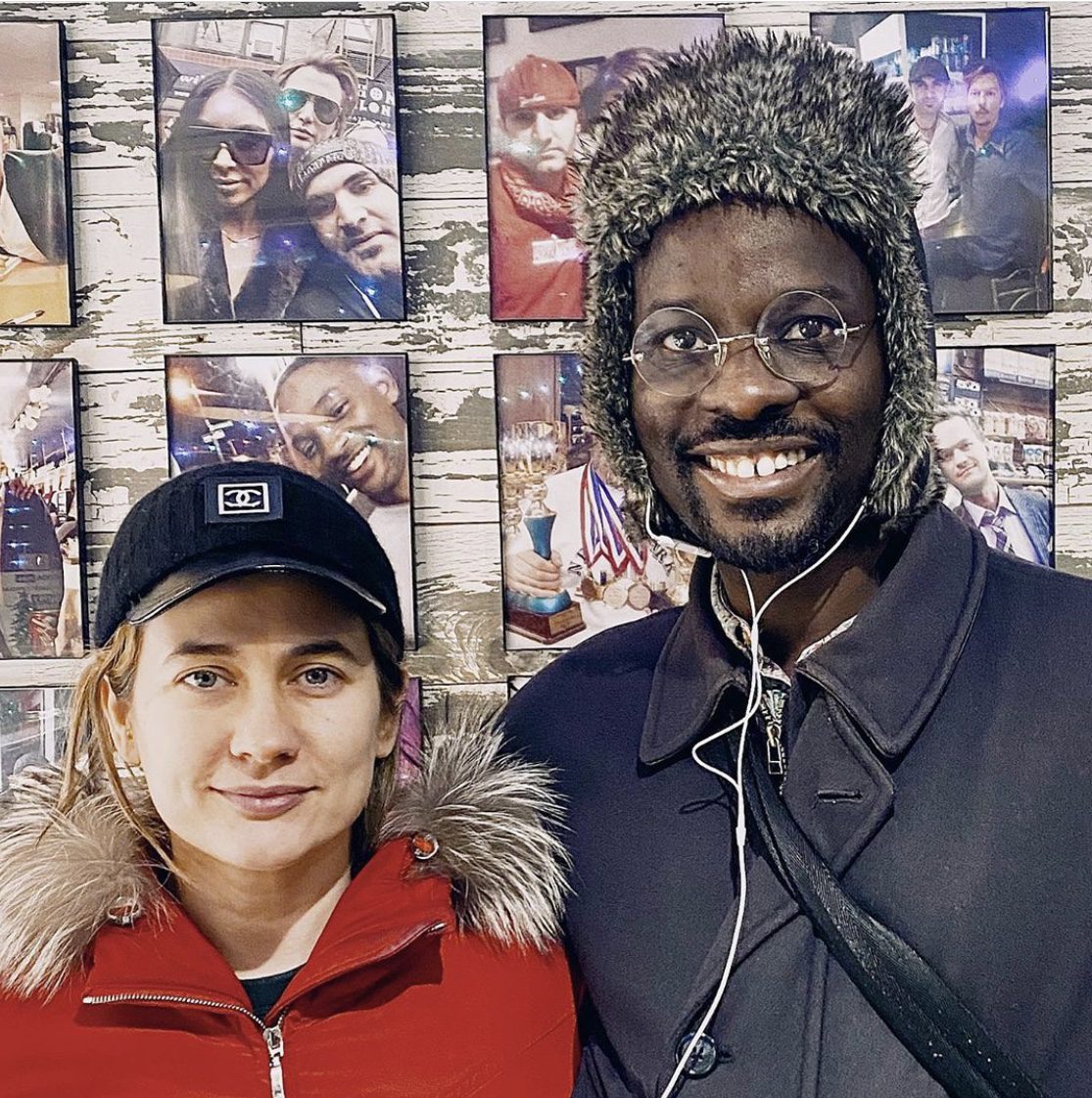
On the days on the daily. I've got some bullshit to just well, and the Medicaid. The mole was taped to push me to elevate and there's this whole debate of whether I should terminate my goal. There he'd go there though. I tried to make my life perfect. It was back in my place, right back in my seat back and stood at this jazz. Miguel was one old Soma.
Yeah. I got to get my mind right in the highest state. It'd be dark thoughts to vacate my mind like a blank slate. I can serve myself with a full plate passed away before it's too late. Now I see it all now with my third. Where did the wives no longer feel like playing with these things? All of my feelings, all these things we learned from the infinite wellsprings could read the holy things in queen canes, but sometimes we forget these things were breaking off. Now it's time to spread out these wings because they could all lend in the moment.
the call? When the universe phone dark side.
That's why we like the way you always read that. At the bright side, we realize that the wives have recognized that the ones that's away from .
Thank you so much for joining us.
Thank you for having me, Katie.
Definitely, definitely. So how it in?
Well, it's very hot right now, but it's a nice and peaceful country. As far as you know, the big pandemic going on. It's been, they've been doing a pretty good job at it. People are taking care of, you know, safety wearing masks and such, but there are a lot of cases. So that's, that's really nice.
So when you go out, you wear, you wear a mask and gloves and everything, or are you just staying in or how is it with, with what you and your family are doing?
You're going out. A lot of people don't wear masks just when they're walking around the city. A lot of people, some people do, but if you're going into a store anywhere where you're going to be in a closed space, they have somebody at the door who required that you wear a mask. And usually we'll give you a little bit of and Thai bacteria. Yeah. Something to clean your hands with.
Great. Great. So you were in Michigan before all of this happened where we actually met and where I'm from. Well, I was born there and then you came through New York city and then you took a flight to Senegal and that was on the end of March, right? Or in the 20th? March,
February,
February. And then how long were you planning to stay there?
I was really just planning the stay for three weeks. I was coming from my dad's Memorial and it turned out to be the whole outbreak began and I just ended up staying here, but I'm happy to be here right now. I'm returning back to the roots. Thank you. I appreciate that. Yeah.
Yeah. So I guess it's been really amazing for you to be there with your family, especially during this time and yeah, it was
Absolutely. Absolutely. And also just being back in the country, because as you were saying in the beginning, I, what to boarding school here, the kid, I went back to the United States every summer and then I'd come back here during the academic year. So like a lot of my youth were spent in Senegal. A lot of my upbringing really happened in Senegal, some obviously in the United States, but I have a lot of my roots here as well. So it was nice, especially after not having been back in Senegal for like, it had been seven years.
Wow.
Yeah.
Yeah. Really. I'm just really reconnecting with, you know, when you're, when you, yes, absolutely.
How many languages and which languages do you speak currently
Speak English of course, French and Wolof. And well-off is the language that most people speak in Senegal before it was colonized. The kingdom that took over most of Senegal was the well-off kingdom or the jealous kingdom. It was called. And in jello they spoke Wolof. So no matter what your ethnic group, because there were other kingdoms that were taken, it's kind of like England, you know, and, and within England's Reach, there was, you know, all these other country then that spoke their own languages or that's the same thing.
And, and Senegal, there are all these other ethnic groups that spoke their languages, but they also spoke well of, because the wall of kingdom with the kingdom that took over, I believe in the early 18 hundreds, but don't quote me on that. Like, I'm not a hundred percent sure, but they did take over by the time that the, the colonizers came to Africa, that that was what was going on. The, the, the world's kingdom head, a lot of the territory and Senegal. And now when you're born say there's all these ethnic groups say your ethnic group is pole that's one, that's Nick group.
Then if you're in a whole family, then within your family call, and when you go out to buy something at the store to play with your friends, you speak well off. But then when you go to school, you speak French. Or like when you're, you're at work, you speak French. Typically, especially if it's like an official thing, like government or something like that. So you ended up speaking and then of course there's like English of the international language. So there was a lot of people that also speak English. You can find that. Okay, cool.
And it just seems like your education has been very strict, very sophisticated. Why did your parents choose to have you go to a French boarding school in Senegal growing up instead of a, sort of a public school in America for the academic year?
I started school here on, in first grade, but I repeated first grade because I had already started my education in the United States, in Brooklyn, New York, where I'm born. There were a lot of issues. Honestly, there are a lot of racial issues that were happening in America and Brooklyn incidences between teacher than me. There were incidences, you know, when you're, when you, when you're a kid like your, my dad wanted me to have a lot of pride in being black. He wanted me to have a lot of pride in being African during that time, especially there was especially being a dark skin curtain, whether it really, it was kind of like the saying not to be like, people made fun of you for having dark skin and that my dad didn't want that to create any complexes.
And me basically,
What a smart, amazing man, he sets your protector, you know, to protect you, to build your self esteem. So you're not feeling shamed and blamed for who you are. I'm just marathoning right now. This is us. And it's just such an epic story. Have you watched the series? This is us.
Oh yeah. I did. Oh my
God. Yeah. So Randall, like, you know, the, the third child, he's just, his story is just impeccable and the writing is amazing. I just, I love the writing. So my mom
Really loves that one too. And your
Mom's in DC right now, right?
They both did actually. They both watched it together. They told me about it.
Oh, wow. Very cool. Very cool. So you went to Michigan state when you were done with school, you then went to college and your goal was to be an economist. Yes,
My dad was really into economics and when I was looking for major, he gave me a lot of advice. He told me a lot about what he believed like Economics, an economics major could, could do for me and could do as a person with an economist for the world. He was specifically thinking about agricultural economics because he grew up in a agricultural village. That was really interesting to me. And so I thought, well, you know, I do want to do something that has been impactful in the world. And then after a couple of years, I actually went all the way to the PhD level.
And that's when I realized that what I wanted to do had needed to be creative. And that's when I realized that I wasn't really, that just wasn't me to be an economist
When you were able to go through the journey and through the ranks and the ropes of, and being guided by amazing parents, it sounds with broad interests of not only for self, but for humanity and the planet. And then once you got your backbone and full education, then you decided you wanted to be creative and, and more of an artist and take the, the Artist path. Huh.
Cool.
Very cool. I think, I think maybe it sounds like some of your spirituality probably came from the agricultural aspects and, and understanding more about like the land and those topics. Tell us more about that.
And I got into economics, unfortunately, when you get into, when I first got into agricultural economics, I thought it was going to be more human centered, but actually Economics is if, mostly about money to be in, which is one of the re one of the things that kind of made me not as interested once I really got into it. Once I, once I was at the PhD level right now, I'm actually very interested in agriculture, which is very interesting. Like I'm interested, I'm interested because food is just so important and eating healthy food is just so important for us.
So being able to have that available is really important to me. And even though now I want to be, I want to do more creative thing. I also want to keep an eye and keep thoughts, keep my thoughts on how, what, what kind of thing I can do to participate in the
Definitely. Well, I mean, we can make stories with, you know, documentaries and short films and through music videos and stuff and, and educate people because you know, the authors, you're interested in the music you make, it's conscious music, it's always vibrational uplifting people. Where do you think you want to do this? Do you see yourself staying in Africa? Or I know a lot of people go to places like Italy. They do programs where they're, you know, they, there's some kind of like exchange programs that people go and do just to be hands-on with the soil. And there's like trade trades that people do. What are your vision?
I think, right, right now, education of the hall it's so it's so possible to like, you know, find people who are teaching things on the internet. There are this show movie that I watched a really nice documentary called the need to grow. And yeah, it's amazing. And so I, I clicked on my girlfriend, sent me the link and I, I was just amazed that what is possible. And I think like you can learn from much from things like that after you finished watching the documentary, it tells you about all these things that you can do yourself and your they'll be workshops.
So, you know, I think that's one example, but I think there's just so many ways. So to learn just, I have so many friends that are growing their own gardens in their backyards.
Yeah. I mean, it starts with self, right. It starts with, with self and, and just expanding and being a ripple effect within our own communities. You know, a micro thing is a as a macro thing. So yeah. I like, I liked that. So cool that your girlfriend sent you that and to always surround ourselves with people who will bring certain inspirations to us, you know, so we can grow ourselves as individuals. I know you've sent me some like cool books and quotes and authors. And for some who are some of your spiritual leaders?
I have so many spiritual leaders. I mean, so many spiritual influences because there's just been so many people that came through with like amazing messages. My favorite is probably Krishna Judy, Christina Merde. Can you just have an amazing story? I mean, insure he was groomed to be a prophet, but then he decided to tell everybody like, Hey, I'm not a prophet. You know, I'm just the person. And, you know, I, any dismantle this whole group that was supposed to be following, then he went on to speak with, speak on about, you know, it was very interesting.
So he was very, I can read a quote that I think is very interesting from him. Like he was, he was just about being a peaceful person and he was, and he was antiviolence in any kind of way. It says violence is not merely killing another. It is violence. When we use sharp words, when we make a gesture to brush away a person when we a bay, because there is fare. So violence of that merely organized butchery in the name of God, in the name of society, our country violence is much more subtle, much deeper than we are inquiring into the very depths of violence. And he inquired to the very depths of a lot of things.
Wow. Yeah. I mean, it's so apropos to the times of now, you know, and being nonviolent and just really, really taking that to heart and to the root of nonviolent communication. Yeah. I, what a beautiful quote. Thank you so much for sharing that. Yeah.
Yes. And another contemporary person that I've been following a lot of Marianne Williamson. Yeah. She's just such, I think she's just such a treasure right now. It's really great that she was a presidential candidate. I think, I mean, not only because I think she would have made such a huge difference, but also just because it made more people be aware of her.
Definitely. It definitely put it on our new platform, you know, before the lockdown and all this happened at Los Anica and Olympic in Los Angeles, she would have these monthly talks that you could go to. So I went a few years ago. That's when I was introduced to the course in miracles and then, and all these books were there and I, I was such a big like audio book queen. So I'm like, I'll just get on audio book. And I looked it up and it was only available for the e-book. So I ended up like wanting to read it, not reading it. And then like a couple of years has passed and I was listening to hay house, did this 10 day conference with all these amazing speakers.
And a lot of them spoke and, and were being teachers of the course of miracles. So I had this itch and all of a sudden I was going through my bookshelf and there was a brand new book of a course in miracles. So I started reading it myself about a month ago. And you told me you're reading, there's an app version and you're reading it right now on the app as well, right?
Yes. Honestly, I kind of fell off of that. I was reading, I was reading it and then I decided that I'm going to start all over at another time. Oh, perfect. We can start together.
Yeah. Like I just feel like it's more interactive if you read it with somebody. So maybe you said your girlfriend's coming tomorrow from Greece. She's in Greece, in Paris, right?
At the moment, I
Have to share her lockdown story because she, out of all the locked down stories, she has the best lockdown story ever. Like she wins, she wins like best locked down story. Did you tell her yet? You have to tell her when you, when you like grab her and hug her tomorrow, when you see her, when she arrives. Yeah. So, so what happened was, you know, she was traveling with Ali and he was going to Senegal and she was going to Greece to meet her friend. No, she was, she was going to France, sorry. She was going to France. And then after France, she was going to Greece and she went to an island, which island, she went to Rhodes, which is an island.
I haven't been to yet that I really want to go to. It's one of the most beautiful islands I've heard. And it's amazing. And I've seen photos, but she was meeting a friend from America there, but her friend from America didn't get out on time before they closed everything out. So she ended up being in this beautiful home, in roads, on an island, in Greece, all by herself because her friend who owned the property wasn't there, he was off wherever. And she was having, you know, the space and there was like a market down the street. And there was like no cases whatsoever. So she's, she's deserted on this beautiful island during the lockdown, by herself this whole entire time. And it's like, it's like, oh my God, what did dream? What did you dream to be there during all, all of this that, that was going on?
Yeah. So like her friend, her friend came back to the property now as planned and she left. How long was she there at the, at the home? In roads. By herself.
Yeah. She's, she's still, she'd actually still been there. Cause, but she's just leaving to come to Senegal and seeing the opened up, opened up a little bit there. So like a lot of, a lot of things have started moving and she'd had some opportunity to move around and like, she'd done some work there. Like she hadn't really entrusted and health and food and you know, growing things in a ethically and sustainable way, permaculture and all that. So that's what she's been focusing on
The sisters into prima culture as well. So you seems like you guys have a great kinship and align on that ground rooted level, which is so beautiful.
No pun intended. Yeah. Yeah.
Yeah. So circling back around. So Marianne Williamson, she's been a huge inspiration for you during this time.
Been a huge inspiration. Like I think that just the fact that she's a contemporary, you know, she's out there and she has just this beautiful message, like her best-selling book of a return to love. And that's what she focuses on.
Oh, I listened to an audio book. It's so graceful. He's an angel. Yeah. I listen to an audio, her voice so graceful. It was so healing just to hear it. And she's so simplistic and just, it makes so much sense. It's like we have to listen to it. We have to keep listening to it. You know? So it gets in the depths of our souls. It just really, really touches it. It touched my soul deeply, deeply. So the book you sent me on the Jetta guide, what's his name? Jetta.
Judy,
Judy, Judy, Christina. Marnie. So what's the name of his book that you sent me a couple of years ago?
I don't remember exactly what book, that, what books that was, but I know. Yeah. Freedom from the unknown. That is the one that, that I've been reading again.
My sister mentioned to me the other day, the Osho documentary, which
I
Haven't, I can't believe I haven't seen it yet. So I think I'm going to watch it tonight. I definitely need to watch it. So you saw
Yes. It's very, it's very good. It's, it's actually an amazing documentary. There's a lot of twists in the storytelling is just a well-made documentary. And
I remember when I first moved to Los Angeles, one of my artists, friends, Robert Sterman, you have to meet him. He's amazing. He's a great photographer. Like you I'll introduce you I'll, I'll send you. You've probably seen his work on Instagram, but I'll, I'll, I'll connect. You seek him, follow him and say, Hey, what's up. But he turned me on to Osho in 2005 and Vodi tree it's on Melrose. It was, I don't know if the books are still there, but I haven't been there in awhile, but cause I can do all the, all the audio books, but I've read a bunch of Osho books. I've been a big fan of Osho in his, his ways for wow. I mean, it's been 15 years, but yeah. So I'm excited to the documentary. Yeah.
So you're conscious artists who makes music and you take amazing photos. And when was it you directed or you shot our music video obliterated in Detroit.
Yeah, that was a few years ago. Me and my friend mark Samano. That was the fun time. That was a good video.
We went through the Heidelberg project. I mean, we went to legendary land for artists and like, it was so cool. Cause I've always heard about those places and growing up in Michigan, like I never went with any artists, artists, friends, I never went. And so it was really cool to go with you and mark and Nikki and experience these things. It was, it was, it was so cool. It was really, really awesome. Well, I know I've been seeing on your Instagram and we'll S we'll share your social statuses, your social handles with, with everyone in the links on the show notes. So you've been on like tic-tac and you've been making these videos, like, you know, singing your heart and soul out and sharing amazing quotes.
Are you writing new music right now? Do you plan to shoot like some, a short when your girlfriend gets there? Like what, what are you going to do creatively during these times? Or what have you been doing
So far? You're saying I'm making a breaking a lot of little short videos that there's, this app is kind of like Tik TOK is called voicey and I've just been making all these, you know, just small videos on there with some songs that I've just made using the beats that they provide there. And those beats just come from people who just submit it. So that was kind of a way for me to keep practicing, making music, practicing writing, you know, stay, stay creative. I do also have lots of songs that I've made awhile ago that I'm waiting to mix and master at some point I'm going to release those.
That's awesome. I'm excited to hear those. My should. Maybe I made 22 new beats all, all, you know, I'm really excited about the, yeah. I'm releasing my first EAP, their hypnotic energy beets. And actually they have sound healing frequencies on them. But I think today I'm going to send you a couple beats and you let me know like what vibe you like. And I would love for you to write something to it and just like record it. And I'll have Nikki since, you know, the songs already done in mastered, it'll be easy to pop your vocals on there. So if you want to do that, we could, we could collaborate and do that and do like a single or something together to star.
That could be really cool. Yeah.
Yeah. Absolutely. There will be, it'll be kind of like as funny, but when we first met, remember I made a, B that you put something to,
Oh my God, you send it to me. Like, I need to hear that.
I thought some learning through stuff and then I found it. I want to try to try to find it again.
It's not 100% complete. Thank God we have a, the, the missing piece of the puzzle Nicky over here. So he can, he can mix it up and master it and make it and we can, we can release it at some point. That'd be, that'd be super cool.
Yeah. That'd be
Cool. Bump it up, touch it up. Yeah, definitely. Definitely. So tell me some more of your plans.
I'm also as a filmmaker, the two vocation that I want to dedicate, most of my energy to right now are film in view. They can, I feel like writing it's somewhere in there. Cause you know, it's all connected being in Senegal. I want to start filming things. As you mentioned earlier, like I've been taking pictures, I'm just going to continue doing that, taking pictures, but also planning videos. I don't have anything specific ideas yet that I want to do, but all of that is going to, I'm going to look into all that while I'm here,
It'll all come together. I definitely want to collaborate, do a song with you and then continue creative relationship together and, and do some cool projects. I'm really interested actually, as a producer to share stories, you know, maybe create a, a web series or a short film or something and hire an all African-American cast and director and writer and producer and filmmaker and music and everything, and just really create space for people of color, to be a part and just really give them the time and respect that they need and deserve. Especially during with, you know, this revelation that's been happening.
I know you have interest is in raising consciousness, social justice, and as well as Shadow work. So let's talk about some of those subjects. Where do you want to start
Shuttle work? Shadow work, I think is very important. Shadow work. If the beginning, even before social justice, you know, like I it's all connected really because the need for social justice is because there's a lot of shadows in our society and our society is made of people. And so of course there's a lot of shadows in people and what shadows are parts of ourselves that we deny that we repressed. Like the part of us that we think are ugly are like not politically correct are
We're shamed. We're taught to have it buried deep down. We're told that's not good. And so we hide it and we act like it's not there. And then we believe that it's not there because that's what we were taught.
Yes, absolutely. And that's also sometimes also like a behavior that we know is not righteous behavior and fall. We hide that as well. So it could, it could be sometimes it's also, sometimes it could be a behavior that is, that isn't really that bad. But society is saying that it is bad or a culture is saying that it's bad. And so we repressed that as well.
Shadow work is one, it's like an entrapment. So it's like, you're scared even talk about it because you're told to stuff it's so far down or to act like it's not even there. And we like really are brainwashed that it's not there. So one way is writing about it, then maybe burning it, throwing away just to get it out. So it's like, I'm not stuck within the emotional body and the cellular body another way is by like what we're doing, like acknowledging it, like putting it out there instead of having it inside, we put it out there and then like communicate about it. And the big word lately is entanglement. So it's a lot of everything being tangled altogether. So are you someone people can speak to about Shadow work and are, are there they're healer and Shadow work people out there who help other people recognize patterns of their shadows that they're just oblivious to.
And then it's like, oh, there's the red flag or, oh, there's the Shadow. And it's a process and it's an unfolding and it takes time and it's like, you're going over and over. And the pattern, the cycle. And then you're like, oh, here it is. That's what it is. And then, or sometimes people can identify immediately and know, you know, their triggers or their shadows. What do you think about that?
Yeah. I think that it's important to be receptive when people do do Shadow work. I mean, everybody has a Shadow. So when somebody has a behavior are, are, are, something are like when they have a shadow that, that they feel shame about. And that's why they've repressed it. Like when they share that with somebody who receives it without judgment, that that is a helpful way to help somebody deal with their Shadow. Of course, this is like something that most of us have to just do on our own because it doesn't really help much to point people shadow vault because you know, they're the reason why they're keeping it in.
But if somebody, but if somebody feels safe around you being completely authentic, you know, then they can discover their shadows just by communicating with you. They can communicate something that was before repressed. And now they're like, oh wait, no, I didn't know that I was thinking that way. And like, you know, after they bounced it off, people may be like, because also you've received an authentic way. Maybe you weren't judged mental, but at the same time you, you didn't say, you're not like, oh, that's okay. You're not condoning something that isn't, that, that isn't okay. And they can just, by receiving it authentically, people kind of get, can, can get that from having bounced it off of you.
They can get that, oh wait, this isn't even really how I believe that that says, like, I'm not, I don't even agree with some of those best, I think a way of dealing with shadows. Well, another thing about shadow that, that we tend to project them too. So a lot of times when you're, when you're blaming other people a lot, you can kind of see like, oh, wait a minute. Like, is that because I do that, you know, in this, in some other way, you know, is that why it's triggering me? And that's also a shadow.
Yeah. Yeah. I feel that. I feel that. And I'm, I'm a projector. I'm a complete projector. There's what is it? My sister did my, my chart and she read all my shakras and everything like that. Just slipping by me right now. So I actually, yes. Oh my God. Yeah. Human design. The human design. Yeah. So there's five different. Yeah. And I'm a projector. I'm, I'm a projector. So it's like, I have this vision and it's like, I have a foresight and I have this vision of how things and I'm the connector. And so I connect all these people and my, but my sister's like, don't project this enemy, don't project this. And I'm just like, Hey, like I'm, I'm a poet, I'm an artist.
I speak, I am a storyteller. I speak in color. I speak through images. Like that's how things come through me. So it's like, when I'm paint, when I'm telling, saying something, it's like, I'm painting a story. I don't mean to like project it onto you. I'm like, let's go around that wall. Because when someone says that a wall goes up and when the wall goes up, you can't get over the wall. And it's someone who knows who put the wall up and they're so close to you and you get triggered. So it's like, Hey, let's go around that. Okay. And let's talk about something else, but I think moving onto another subject, but that's the same as I think it's one of the reasons why I left so young Michigan, I was always a seeker. I was always a seeker with my Greek roots and the philosopher, Socrates and Plato and Aristotle.
I just, I always, I was always a seeker. One of 'em Socrates, one of my favorite quotes, Socrates, he's like a philosopher is a person. Who's a lover, a wisdom, you know, who's a seeker, who's a lover of wisdom. And I'm like, I'm a teenager. I'm reading them. I'm like, yeah, that's me. That's who I am. And I've traveled the world. I'm so grateful and blessed to have been able to travel the world. But it really got me out of my Pandora box. And it really got me around so many different kinds of people where it's like, it it's like, I'm gonna wait.
So that's why the way that's like a religious channel.
Awesome. Oh, cool. That's so cool. What is he chanting about?
I don't really know. You know, it's like, you know,
Prayer for us or something or for me. Yeah. But yeah, but what I was saying is like I left Michigan at a really young age and I just wanted to seek, seek and travel the world. And I really think it got me away from my own shadow and the shadow that just like hovers over you and your everyday habits and circumstances. And to see that there's so much out there. And a lot of people, I know I do share things with complete strangers because you know, it's nice to hear their reactions or just observe their reactions of how they receive what, what you're saying and, and getting feedback from them.
So when you're, when you have that knowing deep down and you're connected with the source, and then you're able to communicate with a lot of other people, you soon realize not everyone's like this and you don't have to be confined by your circumstances of, of growing up. You know, cause a lot of people, they don't leave their cities. They don't leave their towns and they stay in their bubbles and it's like 30 years go by and they just went through the whole system. You know, they go through the system, the educational system, which hasn't been upgraded in over a hundred years and then they have a scholarship or have mommy and daddy paid for their education or they go in debt with the government and you know, to have a loan, to have this education.
And then you're, you know, you graduate and then you go off to be a doctor or a lawyer or what have you. And like you're paying off this debt. It's like, you know, obviously the old system that that's just does not work that has not been working, but I was like a child and I'm like, this is not happening. And I marched to the beat of my own drum as spiritual beings. You know, I feel like we're all spiritual beings having a human experience. I think we all have this deep knowing, but we're just so confined by the patterns and the rules of our parents and our circumstances that a lot of, a lot of people become sheep. And a lot of people do as they're told and they're taught to be polite and turn a blind eye and not to do and take action from within, you know, until you get to a certain point.
Yeah. Yeah. It's definitely important to not be controlled too much by culture and to be with work from, you know, act from within an X on your own intuition, March to your own drum as you were listening. And I think that, especially when we're connected to our deepest selves, then that's when we can. That's when we act from a place of love, then love is greater than, than all of the roles that we have. We've been within society culture than always, right? In fact, a lot of times we can see how our society is not perfect.
When you act in your deepest thought, when you act from a place of love, then you use the knowledge that you have of the world and you take actions that actually make the world better. The spiritual people from different backgrounds, talk about bringing heaven to earth. And I think that's what it means. That's what they mean by that.
Beautiful. You're your words are so beautiful and wise. Yeah. Yeah, definitely. I have a question. Do you have any recommendations for books for Shadow work? If people want to listen to something or read something, any go-to juicy tips for the listeners?
A lot of books on Shadow work. One books that I read was called romancing the shadow by Connie, the wag or his week. I'm not sure how to say her name, but she is. It's a really interesting book that focuses more on like our relationships with, with people and how the shadow takes, have some, have the play in it. And it's really all the books, but it's a really good one, what I've read. But honestly, I feel like there's just so many good Shadow work books out there because it's now it's become more and more of a, a big topic.
It all started with call you who talked about the Shadow, being a part of, you know, the, what makes up our psyche and the Shadow work is getting to know our shadow. And by getting to know our shadow, where by shedding light on our Shadow, you know, we're able to integrate the positive parts of it. And we're able to transmute the negative part from
Love that. Yeah, there's a book called the primal scream and the author talks about gateways, how we have gateways within our brain. So that protects us from ourselves. Like something could be right in front of us, but because like we were taught or that it'll trigger us so deeply on a psychological level that we can't handle it, that there are like gateways that protect us from ourselves. Can you believe that? That's like so wild.
Yeah, that is very interesting. And I believe that, you know, I, I think we live in our conscious mind, we, but our unconscious so much that goes on with then we do have parts of us that are trying to protect us sometimes even too much, you know?
Yeah. I do. You know, Marisa peer. No, I don't. Oh my gosh. She's like one of the best hypnotherapists in the world. I met her at a mine valley reunion event. I was invited and she was amazing in front of 800 people. She hit me to ties all of us and I got a chance to sit down and talk with the Mariska peer. She goes, RTT rapid transformational therapy. And she has this program it's called, I am enough and it's a 90 day program. So it's, it's broken into these different modules. And so I'm doing the first module right now. And it's your divine purpose? So the first video is like 30 minutes long and she has you go back and from the age of seven to 14, you think of like three specific things from seven to 14.
Cause that's when you knew what you love, what excited you, what you wanted to do. And you have these three stories. And then after that, like, okay, that's like locked and sealed. You have that. And then you go on and then the same hypnosis on recording. It's 20 minutes long. You listen to it for 21 days in a row before you go to the next module. So I'm on the first module right now of the divine purpose. And I'm been about a week now. And so like, I have those three things that I, that came up in the initial, like 30 minute hypnosis and then all these other things have been coming up and unpeeling like an onion. So I'm like in it right now, but literally for the last week I've been having such vivid, detailed dreams and I like literally need to voice record it.
So I can just wake up and just like have my dream journal and just write it out, down all down, or just get into the studio and just like record it. It's been so awesome. And I felt I've been feeling so great and like really clear. And at the end of the day, going to bed, feeling so full and more purpose and just feeling like I did my best today. And like I'll reflective, like who I shared moments with and how I helped another human being or something inspirational that, you know, came through me today. And just it's been, it's been, it's been a true blessing, but I definitely highly suggest Marisa peer for hypnotherapy. She's she's brilliant. She's amazing.
Yeah, definitely. Definitely. What I want to transfer into is social justice and what it means to you,
The thought of Marianne Williamson comes up again, because I think she is one of the spiritual teachers that is very adamant about the importance of social justice. Sometimes people feel like spirituality and social justice are separate, but actually social justice is a deep, is a very important part of Spirituality because we live in a society when there are social injustice, that's creating this environment unfair that there's a lot of people who go through really unnecessarily difficult situations,
Fear, false evidence appearing real.
Yeah, I, yeah. I just think that social justice is an important part of, I was trying to look for a quote of Marianne Williamson about social justice. Yeah. I mean, it inspires me definitely, but also like I just agree. I just agree with her approach. I feel like social justice and spirituality go hand in hand, we need to be involved in functional and social justice as part of what we are contributing to the world,
Going to the source of the truth, you know, and communicate and share with one another because it builds up these invisible barriers and everything's energy and, and you know, some, most people can't see energy, right? Some people see auras and some people can see energy, but you feel it. And some people can see energy. Like you see someone and within three seconds, it's, it's very simple. It's yes or no. It's yes or no. It's within three seconds. Like, you know, they say that beautiful documentary, oh, it's a documentary about the heart. Oh, it's a beautiful documentary. And they say your heart is like so much more powerful than your mind that like you feel and you know, something before you actually like see the scenario or the person like your heart knows before your mind even knows your brain has 60 to 70,000 thoughts per day.
And 90% of those thoughts are the same thoughts. And most of them are negative according to Dr. Joe Dispenza. But I remember you were in DC and you shared a story with me of social injustice. There was a circumstance that happened with you. And I would love for you to share that if you would.
Absolutely. I think as an African-American, there's just so many things that happened in our society that we experience, you know, at various levels on a daily basis, really, to a certain extent. So I had this experience where I went out with a friend and we were just having fun at a club and it was more like a bar really dancing. It was a cousin of mine. And so we were, we were dancing and I liked to, when I go out, that's what I'm into doing.
I like to dance and yeah,
I love dancing. We should definitely go dancing sometime we need to dance. We need to dance.
So many people need to dance right now. It's crazy. Yeah. So I ended up, there was a man who, I didn't know the off-duty cop, but he was acting as a bouncer at the time. And at one point throughout the night, he just asked me to follow him as I was coming down from the stairs, going back to the first floor and I asked him why, and then he flashed his badge. And then I would like, yeah, but why? And he just went into this rage and just started pulling me out. Then all these other bounces pulling me out. And then I thought, well, you know, I don't know what his reasoning is, but you know, I know that I didn't do anything.
And so the worst thing that might happen, if that I'm just going to be taken out of the club and not allowed back in, based on this guy, whatever, whatever his personal issue with me. But what ended up happening was that he started putting handcuffs on me. And then I ended up in a, in a police car. And this whole time, of course I was asking, what did I do? Like, what am I being arrested for? And he didn't answer. And then I went to the police jail and nobody told me what I was being arrested for. Still there.
They didn't give me a phone call or anything. And then I asked the woman, a police officer, they're there for my phone call. And she's like, oh yeah, you get your phone call later, once you're transferred to this other place. So basically the way it worked with that, because it was Friday night and the courts don't work on Saturday, then Sundays, they took me to the jails that are underneath the court where you get ready for your arraignment. And so I ended up having to spend about two days and a half in those cells once they bought me there. And when I was, when I arrived there with, when I asked a woman was there like for a phone call and she have like, oh, you should've gotten your phone call at the other place where the first four minutes told me that it wasn't.
And then I asked her, well, can you tell me what I'm being arrested? What I got arrested for, because nobody would tell me. And they told me that it was assault to injury. And no, obviously I didn't assault anybody. So I was really, I was shocked. But at the same time, you know, I believe that, well, if they're going to have to produce somebody who I injured. So I'm pretty sure that that it's very just going to look stupid. And once I go to the judge and I thought also that I would get this lawyer from the car and then I would at the arraignment, I'd be able to explain what had happened to me.
And they'd be like, wow is crazy.
You're so sweet.
Well, you know, like I feel, I feel like when you haven't been in those kinds of situations, like you, you, you kind of, you have more, I don't really trust the police officers, but I thought the system was a lot better than it was. But then when I, then we went into this room right before the arraignment and everybody had their lawyers come and talk to them. And my lawyer said he didn't need to hear my story. He actually said he was just going to put me back on the streets. And I was like, the street,
If you don't mind me asking, was, was your attorney, who was your, what was your attorney? Like male, female, or?
Oh, he was, he was male. He was African-American. I mean, yeah, it's the system, you know, the system, the system is, is, is like that, you know? And once you're, once you're in the system, they, they try to keep you on there.
Yeah. It's, it's, it's entrapment. I mean, that's a whole nother story, but it's entrapment. Once you're in the system, man, leg is hard to get out because they just give you one thing after another. So what happened like,
And also they don't like, they don't like to show that they've made a mistake. So they prefer to cover up their mistake. Even if the mistake wasn't made by, like, if the mistake was made by one police officer, the hall of system wants to cover that thing up. They don't really like Justice doesn't matter. Unfortunately, in that situation
And your attorney asked you your story, like, did he ask like, oh, what happened? And then you're like, oh, like, this is what happened. And he's like, oh,
I mean, I, I offered to tell my story and he told me he didn't want to hear it. So we ended up at the judge and at the arraignment because I tried to insist, but he was definitely not, he was definitely close to hearing my story. And so I realized that, well, you know, I can't argue with him, so I might as well just go to the arraignment and talk to the judge. And the judge, the judge was African-American woman. Yeah. But once, once you're in the system, it doesn't even really matter. Like they're all working for the same saying it's
And even African-Americans in the system, do you feel like they need to turn a blind eye to, because they don't want to get fired from their job in their position? Or, or did she have more compassion for you and understand your position? Like what do you instinctively feel? And
I think that a lot of the people in the justice system, not all of them, obviously, there's like, I don't think there's ever really like a hundred percent generalization, but I think they're all once it's like, you're hired somewhere, you've become part of that system. And like, you end up doing the thing that that system wants you to do. So like, you end up having your belief system that, that is going along with that system, which like African-American police officers also assault people African-Americans in African-American neighborhoods. And it's because that's just how the system, how the system is.
Yeah. But there, you know, there, it, it does, it can make a difference that somebody is African-American, but sometimes it, sometimes it doesn't a lot of times it doesn't once it, once it has to do with the system. So like in this particular case, she just gave me one look and, you know, I was like all messy and stuff from, you know, being in jail for three days. So like, she probably just like looked at me and was like, yeah, you know, that guy doesn't look put together. It's like, you know, just snap judgments. And also it's very convenient. So she, she ordered me to have a drug test and stuff.
Yeah. Immediately. Yeah. And that the time I was smoking marijuana at the time, so, which is legal now. And that's kind of a funny thing, because I remember I saw, you know, punished, take the sky and threatened him with time in jail, took him away from his job to come to court and was scolding him for smoking because he said, thief, now you're here at court, you know, and you're not working. And then my mind, I was like, yeah, he's not working because he's here at court. You know, like he hasn't done anything to anybody. And obviously that's, that's the reality.
I personally don't even smoke anymore for my own reasons, but I know for a fact that it helps a lot of people. And I know for a fact that for sure doesn't harm, harm people, she'll for sure. Doesn't cause you to harm people. So, you know, that's another way of getting a lot of people
And we have cannabinoid receptors within our body. We have receptors, definitely a healing property. I'm so glad it's legal in a lot of places. Okay. So when you got your drug tested, do you back then, did they find out like that day or like how long did it take for them to see your test result? And then
Yeah, so they found out that day, and then I had to come to court, like I have to come to court every single day to get tested again, until it completely got up a system. And then for like a couple of weeks after and told my lawyer, got them to stop the test. So I wouldn't have to, wouldn't have to come to court every day.
How many weeks or months of going to court and to test in court, did you have, I believe
It was like about two weeks.
Okay. And then what, once it's out of your system and you don't have it in your system, then what, then what happened?
I need still need it to go to court because I was still accused of assaulting somebody and I, and it turned out at first, they said that it was the guy. I remember, I still remember the name chorus, even though I don't know who the person was that they were saying it was supposed to be Rashid or something like that at first. And then all of a sudden I looked at the documents and they have changed it and it wasn't Rashid anymore. I was being accused of assaulting the police officer. So that's how, you know, it's amazing how they have that ability to make those changes. You know,
We're going to see that originally. I thought you were going to say it was the police officer thought he was just, you know, I thought that's what you were going to say originally. Wow.
Probably thought, you know, because they probably thought, well, we can't really produce this guy Rashid. We can't bring him to the car and we want to keep this going. So now it's just, we're just going to say the police officer and they changed it in the papers. But luckily I caught that and I'm the one who showed that to my lawyer. And I was like, I feel like that's something that we should look into because all of a sudden the victim even changed
Cell phone during that time. Cause that would've been really cool to like photograph it and like the, the difference, the difference, the change, if, you know, if you were back quick to think about it and if you weren't.
Yeah. I mean, at the time, I didn't think, I just thought like, you know, I was just thinking about getting out of that situation because I did risk. Yeah. I did risk being in jail for in fact, my, my, my lawyer had recommended that I just, he said that, you know, this is a difficult situation to get out of. Like usually when a cop accuses you, then they just take the word of the cop. And so like my best bet was to take this plea bargain where I'd say that I'm guilty. And then I do some a hundred hours of community service and then they'd erase it from my, and I said, no, I'm not gonna, I'm not gonna say that I'm guilty when I'm not guilty.
Like, I feel horrible doing a hundred hours of community service for like, you know, for something that I didn't have to do. Like I prefer, I prefer to fight all the way to the end for what, what actually happened.
Then what happened.
And eventually what ended up happening is the cop just lied so much. Like he first he upset, you know, firstly with the change of names was the judge didn't catch. But like then he said that I punched them in the chest and initially had said that I punched them in the face. So like there was just all these discrepancies and the judge was like, all right, this is like very fishy and unbelief thing. I'm going to just gonna release also the policeman lawyer had changed and I'm sure that they had to change the prosecutor because the prosecutor knew something was fishy and didn't want the first prosecutor were African-American woman.
I bet that she was like, I'm not going to be part of this. And then the other woman came in a younger Jewish woman. And I remember she would like, look at me during the whole time. And I could tell that she was starting to steal starting not to believe the police officers because they tried to make me look as if I was a belligerent crazy person. And then there, I was just fitting very serenely. And so I know that that made her saying, and she actually, she was actually the one to say, wait a minute, you said that he punched you in the face. So she kind of supported this judge's case.
And then that would be under that. But you know, showed me what that is. So many other people who won, like I was able to get a lawyer, you know, so many people who would have had to stay with that first lawyer,
We appointed attorney. So you are, so you got a separate lawyer, but most people have the appointed attorney and they, their sheep, they do as they're told. And there was probably a lot of people out there doing hundreds, hundreds of hours of community service and enslavement work for things that they, that was unjust that they didn't even do from. Yeah. Yeah. So I have a question. Was your mom there? Did she show up in court with you every time? Or w how, I mean, it must've been so brutal for your mom.
Of course, for my mom and dad the time. Like they also, because they didn't give me a phone call and they basically just kidnapped me. I never had a way of letting my parents know, or my friend even know what happened to me. All of a sudden, he just didn't see me anymore, which is also concerning because you know, that police officers can do that. Okay.
So did he go and tell your parents? Well,
He told my parents that I disappeared and that he had no, no idea where I went, because that's kind kinda how it happened. They just quickly pulled me out of the club and then put me in handcuffs and pushed me in the car.
So this is traumatic. And to hear, it's just like, seriously, like, I'm really sorry this this happened. It's super traumatic. And then so post, all this thing you think is over, but actually on a psychological level, there's a lot of rooted fear. And, you know, you feel like I'm in this country and I'm supposed to be protected by these law enforcement people, but actually you have to be paranoid and an eyes wide open to make sure, like you're acting a certain way in front of police officers. Like, I mean, it's, you know, traumatic. So how was that emotional experience for you? How did that unfold after the, the main event of being in the court system and, and going through that emotional nightmare with your family?
Yeah, so, I mean, I was, of course my parents were really upset, you know, that they didn't know where I was and eventually they found out on the second day for me throughout the whole experience, I kind of went in and connected with my spirituality and my belief in, in the way that the universe works. And I saw, well, you know, God put me in the situation. And so, you know, he'll get me out of it. And, but at the same time on a purely practical level, I, it also opened my eyes to how injustice the system is.
And after that happened, I decided that I didn't want to be affected emotionally by it. Like, I kind of made a conscious decision that I wanted to make sure that I didn't have a fear of fear of, of police officers or anything like that. I'm not saying that I don't fear being in situations like that when I'm in the United States, like you can't really get, get away from that. Because if I'm in a situation where I feel like I'm vulnerable to police officers and supposed to be protecting me, you know, of course I'm going to be on my guard.
I'm Greek-American and I mean, I remember growing up in Lavonia, Michigan, and still I was, I was on my guard even though, cause I was like a little rascal rebel child, but like I was, you know, I was just being a kid or something, but I remember like, you know, me and all my friends, you'd be like, oh, there's a cop watch out. There's a cop, you know? So you always, you're always, I mean, you're always like, oh, there's a cop, there's a cop. You know what I mean? So even me, I was just like, ah, hyper like paranoid or aware of just being aware because it's a, it's a scary thing. When you think about it, they're supposed to be there for your safety, which at some times, you know, if something is happening or, you know, there is a cop around, you're like, oh, that's good. Because like there's protective eyes around.
But
Yeah, absolutely. That's not the feeling that they inspire people. They don't inspire that feeling of fortunately they inspire a feeling of fear, even if you have really done anything. And then if you're African-American then let, is brought up to another level because you feel like they could do anything and get away with it. Just like they have, you know, many times we've seen so many cases and so many videos. So, you know, that's definitely in the African-American psyche when it comes to policeman.
I mean, this is kind of just like an off the cuff sport story that came up, but it's about a police officer. I remember one time I was in west Hollywood on west Knoll and I just got this brand new, beautiful place on Les Knoll. And I was just outside, you know, walking on my beautiful street and there was a police officer and I grew up like, hi, how are you? I grew up running cross country. So I'm a social butterfly. I'm just like, Hey, you know, I'm just like hi to everyone. So there's a police officer. He was in his police car by himself. And it was actually parked kind of like a double parked. And, but he was outside of his vehicle and I was just like, hi, how are you? And he was like, hi. And I think maybe he asked a question or kind of struck up a conversation, you know, at the end of it, it was short, you know, it was brief.
I kept it, I kept it short, but at the end of it, he gave me his business card and I felt, oh my God, this is so great. Like a local police officer, my neighborhood, if anything happens, I have like a go-to police officer, you know, cause you know, a single female in, in California. And I was like a newbie there. So I'm like, yeah, having like a police officer on my Rolodex on lock, this is like, awesome. And I remember like he's given me his card and he's like, yeah, let me know if you want to go for pizza sometime. And I'm just like, I mean, cute pizza. Yeah. Like pizza fun. But it's like, yo, I'm like reflecting this police officers on duty. And I was just hit on, on police officer giving me his card, you know, for protection if I need it, if anything comes up, but also be like, yo, you want to go get some pizza?
And I'm just like, Hmm. And so I, I mean, I never called him or anything like that, but it's interesting life, you know, we didn't have the opportunity to talk about our story and how we met, but I think we're going to wrap it up here and I would love in the near future to have you back on and play more of your music, hear more of your stories and your insight and you know, hopefully then we can share, you know, the beautiful kinship we have in, in how we met.
That'd be great. I'd love that.
Cool. Thank you so much for being on she's all over the place. You're awesome. Rock and roll, stay healthy and safe. And I love you so much. The vest is yet to come and let's keep creating and being a ripple effect and making it happen.
Thank you, Katie. I love you too. You're awesome. There are some before.
Thank you. Do you have any last words, quotes, advice, anything you want to share with the viewers before you roll out
And let's all, there's this word. There's this thing that people say in Africa in general, which is, and French is on our songs, which means that we are together. And I think that that is the reality we are together. So I think it's good for us to just remember that.
Beautiful, beautiful, awesome Ali. Senegali the one and only reporting live from Sinegal lucky us. Thank you so much for joining me and sharing space and your stories. I mean your, your epic In Greek, we say, All right, many blessings, my friends stay healthy and safe. I love you, Honey. Thank you so much for joining us. We'll see you next time. Kyriaki, over and out.
Check out the She’s All Over The Place Podcast! https://www.chonacas.com/podcast/
Dreamland 1111 Album – https://distrokid.com/hyperfollow/saintkyriaki/dreamland-1111
Dreamland 1111 Merch – https://www.redbubble.com/shop/ap/93662139?asc=u
Saint Kyriaki – Miracles go to Marz (Official Music Video) – https://youtu.be/XjZDlwNU0Ac
Saint Kyriaki – Dreamland 1111 (Official Music Video) – https://youtu.be/9IjNGcgVCmI
Katie’s “A Lover’s Fairytale” poetry book on Love
Website: https://www.aloversfairytale.com
Buy the book: http://bit.ly/amzn-ALFTbook
Buy merch here: http://bit.ly/ALFT-merch
Katie Chonacas Socials
Tiktok: https://www.tiktok.com/@chonacas
Spotify: https://open.spotify.com/artist/2iTpKMr57KoIqdp92xLQb7?si=5Hi9uIcnSxe05XrpNtDL8w
LinkedIn: https://www.linkedin.com/in/katiechonacas/
Facebook: https://www.facebook.com/KyriakiChonacas
Instagram: https://www.instagram.com/chonacas/
Twitter: https://twitter.com/katiechonacas
Patreon: https://www.patreon.com/chonacas
Youtube: https://bit.ly/youtube-KatieChonacas
IMDB: https://imdb.to/3b2OQG3
OpenSea NFT Artist: http://bit.ly/opensea-NFTKatieChonacas