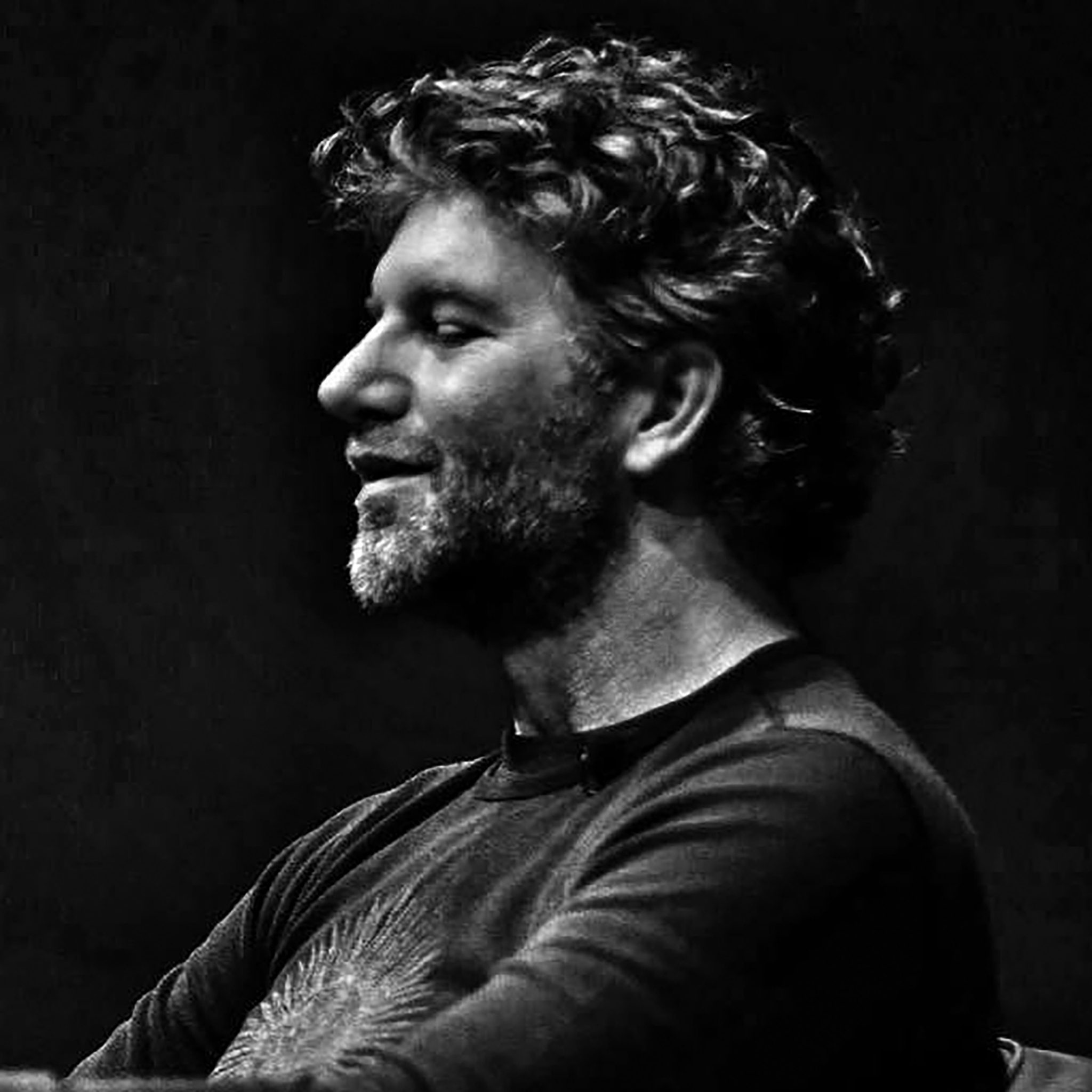
I was so moved by his way, in his essence and his presence and the way he saw his lens in the world. So it's such an honor to have Robert Sturman on today. Robert, thank you so much for joining me.
Thank you so much for having me. It's it's really an honor to be included with somebody who I'm a dear friend with and it's not just a professional.
Oh yeah, definitely. So we're going to deep dive for the viewer. Yeah. If you want to check it out on YouTube, just check out YouTube, Robert Sturman, she's all over the place, podcasts and for the listener you're in for an amazing ride. We're here to inspire you. We're going to deep dive on the Psychology of what it means to be an artist and just honor and share Robert's journey thus far Roberts from California, when you were born. Robert, what happened when, when did you know you were quote unquote different? What happened for you to be like, oh, I'm not like everyone? Or how was it for you to know
That took a long time? It was definitely not when I was born, when I think it was, it wasn't until I was around 14 that I decided, like I discovered sadness and insecurity uncertainty, like the things that teenagers discover. And so I ended up going to boarding school when I was 14 years old. And when my father dropped me off, he gave me a camera and I asked him what I was supposed to make pictures of. And he just answered really not even thinking about it. He said anything that you love now, after I heard that I didn't make much of it, but later on, it would, it would have been turned out to have been the most important artistic advice I've ever received, but to become an artist.
And to know that I was an artist that took many years, it took many years in many graduations that had nothing to do with being educated at the academies and everything to do with exploring on my own and working through my own stuff and feeling a connection with the history of art. But I got to tell you, when I was coming up as an artist, I was very clumsy at it. I was a horrible photographer. I was a horrible photographer. I had to try so hard to get something that was decent. And once in a while I would get something cool. And what I learned to do was to imitate it, copy it until that luck that I got would eventually turn into skill, but I was not born with any of this.
All I was born with was the desire to, to feel good in this world and to have a way to express myself a deep desire, but zero skill.
So back then, what kind of camera
Was it? My first one was like a Pentax K 1000, just the traditional kind. That looks a lot like the ones professional photographers use, but they're digital, but this, that film, which you know who this audience is, but we used to put film in cameras and go into a dark room to process it.
A lot of the viewers in the listeners who tune in there's a lot of entrepreneurs, a lot of artists, a lot of teens tuned into my show as well,
Somewhat playing because, cause it's such a new world of digital.
Oh yeah, yeah, yeah. So, oh yeah. This thing called film. So it was filmed that yeah, it was filmed that went into it. Did it fit in your pocket for you to be able to take it to school? Like did you film people or did you film plants? What did you start taking photos of first
Tree shadows? Anything, anything that I would hope would be something decent so I could pass the class and, and start to find a language with it and get comfortable with it. But then after I made a few that were somewhat cool that I was proud of, I started to identify with it and I just got better and better at it. And I, I did a whole series of self portraits in, in 10th grade. And that was a deep exploration into, I mean, just finding out who I was and I think that's what happens. I think from 14 years old, from 30 years old was I was a very cathartic artists.
Like I needed to get stuff out and work stuff out. So I feel thousands of pages of sketchbooks, which I'm sure you remember when we first started becoming friends that I was working on sketchbooks a lot,
Did a portrait of me. Yeah,
Absolutely. So that's what
I was doing. And you were using the
Charcoal, charcoal, pencil, crayons, everything.
So it doesn't matter if it's like high end material or cheap material, like art is our right. So you can take anything and make it into art.
I mean, we're going to be talking about the Polaroids in a little bit. And those Polaroids will prove that because those were only, I never paid more than $5 for one of those Polaroids and those pictures. It's, it's all coming from somebody sincerity.
I love that. Yeah, we can, we can deep dive into the polarized since you brought it up. I have one question though, because you mentioned the word language and I know in the art community of painters, you know, a lot of art dealers that are always like, what's the language, what's the, what's the language of the artists. So it's the first time I actually heard a photographer say the language of photography. So can you talk about maybe what is your language? What is your language? What does that identify mean for you now?
Well, first of all, I, I consider myself a painter and who has the luxury of using a camera to be able to paint my pictures, tell my stories. And the camera is just tremendously faster at creating. And so I really identified with that as far as language is concerned to me, what it represents is what I see out in the world and what I'm going to put together and composed in order to say something. So like for now, while I photograph yoga all over the world, I'm using this expressive bodily language, like arms reaching into the sky and heart back, bending towards the clouds.
And that's the language that I'm using to tell a story about humanity.
from your Instagram. I see a lot of times, not a lot, but I've seen the divine femininity in your work and women who are pregnant. So can you share a brushstroke of that, what it means for you and why you express those sincerity in the, you know, my mother nature of the divine femininity,
You know what a great question, because that's one of the things that I like when I've thought before that, okay, I'm going to stop doing private shoots for a while. And then I, if I get tired, which only has happened a few times, I always come back to how much I love Photographing a woman carrying a child because there's when you're in the PR, no matter how bad the world is. And we went through a pretty rough patch, hopefully we're out of it, no matter how bad the world is, a mother has to have hope. And so for me to be able to take a creative journey with a Madonna and child, really, which is an ancient theme in the history of art, it's like the greatest honor to be able to tell that story and to be able to celebrate that moment when they're just deep in the heart of creation.
So I love it. It's, that's, that's the greatest, one of the greatest honors to, as a photographer is to do is to do that.
Yeah. I love what you just said because of that sincerity and that moment that you're talking about, I could just have the foresight of those individuals who are women who are caring child for them to frame it for them to be able to look back, to see that moment in time, you know, like in that moment or a year later, or 10 years later, like even, you know, four decades later for them to see that moment with the child in them. So the, and then you you're able to capture that. It's gorgeous. I love it. Very beautiful. Thank you. Yeah. And yeah, for the listener and the viewer, Robert does travel internationally and we can get into some of his International travels. He mentioned he does, you know, individual photo shoots.
And I know a couple of times he's taught photography to some students. So we definitely go to his, his website, Robert Sturman, studio.com and see when he's coming to your state or your area. And so you can sign up or email and be on his mailing list to sign up to, if you want to maybe have a private photo shoot with Robert, that could be really cool to meet him in person and, you know, in a group course or an individual shoot when you know, when he's available. Cool. Very cool. Nice. Is that okay? Yes. Okay. Awesome. As an open invitation for you. Cool. So going into the polarize that we were just talking about first and foremost, I want to bridge the connection of the story you just shared with my AI is from Greece, from heels.
And she, when I was full time living in LA, she would come visit me for two weeks, a couple of times out of the year. And one time it was her 50th year anniversary of being in America, from coming from the old country, the image you have of Yaya and me in 2005 and her celebration, we have beautiful photos and art we've created together. That one specifically is just landmarks, a monumental time of Yaaa being in America for 50 years. So I feel, you know, for the, each individual Madonna, they feel, you know, that same sacredness that I feel with that image with the AIA yeah.
Wonderful model. Of course. I remember it. I never forget any shoe it's, you know, and, and the fact that it's gone on living well, first of all, I, as a photographer, you always, you relive everything because it's in the portfolios permanently. And I don't put, you know, that's one of the master files of you and yada yada. So I come across it every once in a while. And it's photography is miraculous and how it keeps people connected. Y'all y'all might've remembered me once or twice, but because she sees the picture all the time, I'm always on her mind.
Oh yeah, totally. She remembers you. And I took some of the images from A Lovers Fairytale poetry book. I put them on coffee mugs. I asked you if that was okay. I put them on coffee mugs. So I ordered her one and I sent it to her. So she has that on her coffee mug every single morning. I love it. Yeah. Yeah. Totally. Yeah. Yeah. Yeah. So tell us about Polaroids and how you got to the Polaroid and your journey. Anything that comes up for you, you would like to share with us.
Polaroid is something that I, I learned when I was 18, 19 years old, and I apprentice to a master Photographer in Carmel, California. And what this particular process is, which I did an extensive body of work with Kyriaki. Is that what you go by? Kyriaki? So it's an integration of painting and photography. And what I mean by that is it's an old Polaroid that they don't make any more. This film, even though Polaroid came back, they don't make this film. So the picture would come out of the camera and right away I would have to warm it in the sun or on my skin, and then use tools.
Mainly I used a big pen cap. I'm sure you remember, or dental tools. And I would carve into the surface that accentuate the lines and the forms before they would solidify. So it was a wonderful moment because it was before the invention of Photoshop. So everything really had to be done with mindfulness and just carefully, because if you screwed one up, you'd have to throw it away. So from the moment you made the photograph, the light had to be perfect. You remember, we used to always shoot it either early in the morning or right when the sun was going down in order to capture the golden light and make this camera, that was only $5.
And it's made of plastic, make this film sing and dance by just being, getting it all in alignment with the elements. And then once that picture comes out of the camera, carving into the surface and accentuating the lines in the forms. No, I'll fix it later in Photoshop. This taught me how to pay attention.
Oh yeah. I remember the lighting had to be perfect. I remember we would do some and you're like, okay, I think I got one and you would look at it and then you get excited. You go, this is it. This is it. And then you would go to work on it right away. It was like, you would maybe do like four to six or seven photos. And then you'd be like, okay. And you got it. And then you started working on it. And you know, if I was lucky, you know, it was very ambitious and maybe we would create more than one, but usually it was one piece for each location. And how long was it decades? How long were you doing the Polaroid process?
1989 until 2009, 2008.
I remember I was at your house in the living room and you're in your dining room area. And I remember when you told me they discontinued the polar ride, you cry. I remember in that moment that I was with a legendary artists and I'm like, oh, this is normally like van Gogh, Picasso, anyone who's done amazing work there. They're deceased. And you were so young and I'm like, this is an artist who has this way. And it's so gorgeous. And I was with you like nonstop. And you had to, I remember witnessing your process and your transition of having to reinvent yourself as an artist.
I remember that exact moment feeling so lucky and honor that I was witnessing something so great.
Wow. Thank you. It was very painful and scary at first, but I was, but it transitioned quite well. And right when I let go of it, I definitely like people often ask me if I missed it. There's nothing I missed about it. It was, it was hard work. So when I trained doing that, as I just said, took so much concentration and perfectionism that when I switched over to a digital camera, it was like, it was seriously like I'd been trying to run a marathon in high heels with the and then somebody gave me a pair of Nike
Wedges or stilettos. Oh geez, torture Georgia. I remember, I remember how hard you were on yourself to get it exactly right. The image, the, the art that you were so particular and specific and intently working. And so do you find yourself as you know, evolution has gone on and were more mindfulness because you're very much into yoga meditation, you know, long before I met you, you were definitely, you know, definitely a full on Yogi and embodied, you know, that whole spirit.
Do you find your process because like you said, doing the digital, what you said, how it was like a lighter load for you now, like less pain, do you find yourself not being as hard on yourself with your work? Are you still very exact, you know, as an artist would be not as hard on yourself with it?
I think maybe that there was a little bit of an exception, because that was a, that was like, I mean, there was things would have to go in the trash if like, if I got a perfect photograph and then I messed up the carpet and then the photograph was a decisive moment where I couldn't re-enact it. So it was a whole different thing. I don't remember being, I'm sure I was hard on myself, but addressing that, I would say that I calmed down a lot as I grew up as an artist and was able to do more work. See, I think the greatest thing an artist can do is become a better human being and work on ourselves because that comes through in the work.
So I had to clear a lot of stuff out of myself so that I wasn't as much in the work I could get out of the way. Like I said, it was more cathartic when I was younger. And then I reached a point where, where I just, I was an artist for, I became an artist for life. I was way more in insert. I'm way more in service. So life with my work. And I don't feel much anxiety or attention about anything created for me anymore. Even if it's a, like a once in a lifetime opportunity, I I'm pretty relaxed about
Like the Grammys in 2005, like a light, was it 2005 or 2004,
One of those years. So
I that's a once in a lifetime opportunity, you were the official artists who designed the poster for the Grammys.
Right? That's true that it was once in a lifetime, but you're getting carried away because where it was once in a lifetime experience to be honored by them. But I had already done the work. So I didn't need, I didn't have to do anything except for show up and have a great time and talk about the work. Oh,
They just put the Grammy.
What happened was I gave a, they asked me for, MusicCares asked me for a donation, they're a part of the recording academy Grammys that helps musicians that are in times of need. So I had just finished a, an extensive series celebrating the music of Cuba and they took notice of that work and called Ben to just talk to me and, and see what I was all about. And while I was talking to them and to see if I make a donation to their MusicCares of artwork, and while I was in there, I looked at all the posters because they have them all framed and lined up in there. And I said, I want to make your poster, their official artwork.
It's more than a poster. It's the work that goes on. Everything, the tickets, the jackets, shirts, everything is all just the piece of the year. And up until that, it had always been very well-known artists. And I was just a young, up-and-coming slightly arrogant at the time. And, and so they, because they wanted my donation, I believe they reluctantly gave me a Grammy and said, okay, go for it. And so that's when I made it. And it was, it was something that they, I was, so I worked so hard. I, I wanted that, you know, I really, really wanted, and I want, I know this says that all their, their official artworks for, of the gramophone.
And so basically I just copied not copied, but I just do use my style. And my style was always about the musician and that was important. And I was like, well, what's the trophies. Cool. Yeah. But it's the artist. So I made the artists the main character and I made sure they knew what I was doing. That like, this is what he won, but this is the artist. And I called the piece, the humble heroics of the musical poet. And they chose it.
Beautiful. I love this story. Thank you for sharing that. So cool. And then there was a signing downtown and, and you took me to it. It was so fine. The blind boys of Alabama were there. I became friends with Joey Williams. He's the only one that's not blind. He's now the president of the blind Alabama. But he and I became friends and we're like good friends to this day. We've done musical projects, but I met him because of you, because you as an artist, how to grand opportunity, and you had a plus one, and you selected me to go with you and to honor me to be a part of your journey and your experience.
And I was able to meet Joey Williams and also Johnny ho. He was partners with Jermaine Dupri for 15 years. He did all the mastering engineering for Mariah, Janet bile out like Jimmy jam, Terry Lewis like, like legendary. And he and I, and he lives in Atlanta. And he and I are good friends. Those are two great musicians that I met because of you just being in your presence. That's the kind of a collective and energy you curate into your existence and being so thank you so much.
That's very kind of you, but wait, let me, can I, can we please take it a step further? I think you left that staying Elton John, you have there, Rob Thomas, adding everyone that night, you went up to and you were like the first person to ever do a selfie. I think I've never seen anybody hold a camera to, and you would just go up to him and grab him like, Hey, sting, sting, and just put your arm around him. And every single one of them was just delighted because it wasn't the selfie revolution yet. You were the first.
Thank you. And that was, that was at the MusicCares event
The year before, before I got the good. And they just, they gave me tickets to, because I made the donation and was part of the charity.
Yeah. I mean, that was, I mean, he has, I mean, Lee, I mean legendary, right? I mean seriously. Oh yeah.
I went up to everyone. I mean, the whole experience was great, but going back to what you're saying about the blind boys of Alabama, I mean this to this day, I still think about, I would say signing posters for probably hundreds of people. They all came to get this poster sign. And the fact that the blind boys were in line to get their posters signed by me. I, that I just, I, to this day, I, that was the greatest thing I've ever experienced.
Mm mm. You know, next time Joey Williams is in LA. I definitely have to connect the both of you yeah. For you guys to meet up. And, you know, dear thing is artists. Okay. So I need to take it a step further then I just, I just thought of something, yo Janis Joplin's mother was in line to get your autograph. And I met Janis Joplin's mother who lived in Texas Janis Joplin's mother. I met her. She lives in Texas. I met her because of you. She there. Wow. Yeah, I know. Well, I mean, you have thousands of people swarming around you. So, you know, one Sharpie after another,
That was a beautiful moment. And I would assign posters till first a hundred days straight without a break. That's one thing I was just thinking about that yesterday, that like the first time I was ever published in a newspaper, I remember waking up at four 30 in the morning. Cause there was an article coming out about me when I was 19. And just going, looking, trying to chase down that newspaper truck to just get the first one, I was so excited and I realized that I'm still as an artist. None of that gets on. I am so excited just to have people interested in what I have to say my work. So it never changes.
And when, if it changes, just smack me, tell me I'm an arrogant idiot.
Now I won't say that. Won't say that we'll just take you to a desolate island. So you can just have some isolation for a little while, some solitude to get a refresh, like a blank white canvas, you know, but yeah. I mean, you're an artist and you have your childlike spirit and energy and it's, it's what keeps us going. You know, it's just that excitement, that curiosity,
But it's, it's a privilege too, because you just mentioned living artists and van Gogh and a lot of my heroes in the history of art, they died before they could get any sort of recognition and appreciation of their work. And obviously there, these heroes are on a whole nother level than I am as far as their popularity is concerned, but still for me, it's, it's so sacred just to, just to have an audience it's it's we can never take that for granted.
Totally, definitely. Definitely. Speaking of heroes, some people you admire and along the way that taught you important lessons for your process and journey as an artist, I'm sure there's so many, but any need that come up to you and you maybe want to share some gems stories. That'd be really cool.
Oh boy, they're all going to just come at me in a minute. I mean, there's just, I'll start with just, there's a quote. Obviously I do have stories yet. Here we go. There's a, so when I was 13, right before I met you, I took a trip to India to do my first comprehensive body of work. And this was with the Polaroid. And when I was there, the first thing that happened was I started at India at OCIOs meditation retreat center. And when I walked in, there was this very large sign. It said the way of the creator, that's what it was called. And it said to be created, means to be in love with life.
You can only be creative if you love life so deeply that it's natural for you to offer a song, ear, a poem, there, a dance over here. And so when I read that, like, I didn't need to go all the way to India to read that, but this is just how it happened. But when I read that, that was the missing link. That was what I was never given permission to do in the west because in the west, we're somewhat ideologically conditioned to believe that artists need to create out of struggle out of desperation. And that statement was the missing link. It was giving me permission to take care of my life and make my life, my art, my life, a masterpiece.
And that the work that I did was just an expression of that. It just was a natural, effortless expression rather than struggling and, and being self-destructive. And so that was the seed
Addicted to that addicted to that destructiveness. Right? There's an addiction. Like you said, being psychologically thinking, you need to struggle to be an artist.
Yeah. All of it that, I mean, you look at the statistics. So many artists died of overdoses and just lead lead lives of self destruction because they don't know how to deal with the creativity and make use of the tools that we have available to us to, to be able to sit still in the fire and let it let existence burn through us, but not get burned.
And it's one of the reasons why you're here right now to share and add value for the artists listening and for the artists watching. That's exactly why we do the work that we do to share and expand through creativity and the love of, you know, the, the wisdom, because I mean, you are just, you are next level. Okay. Since day one.
Yeah.
Thank you. Thank you.
And I could turn this podcast around and just talk about you seriously. I really could Praise you for like, just like a minute. Okay. Can we do that? We interrupt this podcast to praise the host for a moment. Okay. You seriously, you have so much just the fact that your perseverance is tremendous. I've never seen you even consider giving up and being an actor is gotta be, it has to be one of the hardest jobs there is to go to audition after audition, after audition and get kicked in the teeth or who knows what happens to there, but you never, ever complained.
And you kept on going back and you just, you got, your spirit is so strong and seriously, you look younger now than you did when I met you. What that, And I don't know what your life, what the heavens, what to have. That's where we first met. It was no, I wasn't allowed to curse. And there were a lot of rules. Like there was, you were, and that's how we created that magnificent piece of art, the Virgin Mary, because that's who you were. Don't know what you're like. Now
It's
The best one to
Front of a vintage store in front of a banana tree. It's a banana tree in front of. Yeah.
Yeah. And you're wearing that yellow shawl right? Yellow.
Oh, it was. I had at handmade for me. It's Vietnamese two hours outside of LA. There's a Vietnamese town, a whole Vietnamese community. And I went and I designed it. I picked the color and they tailored it to my body.
I think you should put that one on the show notes. That's such a special piece of art. It's so pure.
Well, I should have had it as the book cover. I did. I, I did the, the other one that we did do that day. It's titled innocence, but it's a close up of just my face and the flowers around. I did that for my, the book cover. I contemplated having the Virgin Mary as the book cover, but it is in the
Book. I love you. Call it the Virgin, Mary. Yes.
And thank you for your kind words. My heart is really open. My heart is very open right now. So thank you. I appreciate that. But let's do another podcast. We're we're, you're going to flip the strips for a whole podcast. We can totally do that, but I want to twist it back around if that's okay.
Even though I got all riled up, you've got a whole list of stuff I could say about you.
Yeah. Well thank you for that. You know, a lot of water hydration and oh, what I really want to say about that thing that you mentioned about when I met you? Like how I didn't, I didn't swear. And didn't allow cuss words because I am so I'm, I've learned along my journey. I'm an HSP, as I know you are an empath HSP, a highly sensitive person, 15 to 20% of the population are HSP. So I feel, and, and I found out through my human design, I'm a projector. Do you know what you are? You on your human design? Okay. I'm going to have you, there's five. I'm going to send it. It's a free, it's not the Enneagram. It's the human design. And it's, it's what it is. Just so you know, on a psychological level like, oh, oh, I'm so emotional.
You're not doing this. Or you're S you're so emotional. Oh, Katie's not doing this, blah, blah, blah. But the thing is, a lot of parents are having their children do it because like, why aren't they doing this? Because they're not designed. It's not their design. I'm a projector. So like, I'm, I'm the connector on the projector. I see the vision on the macro level. I have like a projector. So that's who I am. But along the journey, since I've known you, I'm an HSP. So I'm a highly sensitive person, you know, there's toxicity. So there's like what you can like toxic chemicals in our environment with our emissions, there's toxic things we can put into our body. There's physical toxins, there's narcissism, there's mental abuse, physical like verbal toxins. So for me, I was so sensitive to the power of the word and the sound and what we vibrate and what comes out of our, our instrument, our, our sound and our word.
So I was really particular of honoring you and our relationship and respecting who we are and our kinship when we planted a seed that I didn't know, want to allow any of those beings tainting our pure connection. That's why, so I'm not as anal. I was,
You know, since you I've developed a very close relationship with an Amish family and they don't, they uncle Rob, no cursing. Okay. No cursing and no replacement words. Okay. And I think you were, you were all about to replace the words as well.
Yeah. So are, you know, you know, like our main shock rose in our vibes and what comes out of our mouth and it's, it's energy, energy emotion. And when I'm saying something, when the listener is tuning into us, there, it's going onto their aura. It's going into their soul and it's transmuting, and it's going to shape, shift their, their psychological process, their thought. So for over here, I mean, farting away and burping away and doing weird things. Like that's another podcast. Like, you know, and that's what they want because they choose to be there. But that's not what that's all what's here. So I'm not going to say I don't do that anymore. I, I hands down totally tell people all the time. Like, I'm very aware of my sound environment.
So lastly, like on this topic, when let's say you're traveling internationally in New York city and you're in New York and people are swearing and cursing and saying things like there could be children around, like you're, someone's screaming a lot of times in New York city screaming things out, like not aware of the humanity and society around them. I think it's just so, like you said earlier, mindfulness, you've, you've learned to be mindful in your work. You're a very mindful person, very compassionate. One of the most compassionate people I've ever know, one of the best listeners I've ever met in my whole entire life, you really listen. And when you listen, you listen so well that it's silent. There is silence.
When I speak, everything is silent because you are really listening right now. Right now. See silent. Yeah, totally, totally. So circling back around on polarized. So I don't know if this is my little girl illusion, but this is a story I share and tell when you, this is what I remember from the planted seed from you. When you told me the news that the Polaroid was being discontinued. I remember you, I don't want to say frantically, but energetically moving and needing to go and buy up as many Polaroids as you could and put them in freezers so they could preserve, is, is this correct?
I don't think I bought as many as I could, but I think you might've, I don't know if that's exactly what happened, but I know Polaroid sent me a few cases and I did put, yes, I did put, I didn't buy, I love the way that you, like, I bought a massive, like 900 freezer. No, I just, I put a couple cases in the freezer.
Okay. I'm going to take it a step further because my added story that I made up in my own head.
Oh yeah.
I have, I have a boost for you. I have literally from my fantasy and imagination of the extreme of it, of, of you being a living legend, having to find a new medium that you went and bought up as many Polaroids as you could, to put them in all the freezers that you could, including your,
I don't, I might put one case in my parents. Maybe. I don't remember though, but I love the way you remember it. All the freezers history. It is, it depends. It's written, whoever wrote it. So I guess that's what happened
The extension of the vibe. So speaking of freezers, I know, you know, with mental health and physical health and what a lot of people talk about, I know you got a freezer and so you do ice baths and you're very keen on ice baths. Now
That's true. About two years ago, I started, I had, I worked with Photographing people that had experienced tremendous trauma, like police officers, firefighters, people that are in the military, where some of the people that I did projects with, and then some of them became instructors, Wim, Hof instructors. And what that was, what it is, is a, a practice of breath work and sitting in, in the cold ice, 28 degree water for like two minutes to five minutes to just rewire your central nervous system and to become more resilient and to increase your ability to experience more joy in your life.
And when I heard whims, but they tried to get me to go on the ice for a couple of years. And I, I was like, no, I don't want to do that. Why would I ever want to be cold? Like that? That's ridiculous. But then I heard Wim speak and he was talking about how his wife committed suicide. And he went through tremendous hardship. And what saved him was he fell in love with the cold. He started swimming in ice pawns, and he just, he really immersed himself into cold therapy. And I just thought, you know, I, I don't feel like I can access the joy that I want to. And I always felt, I was never like didn't have clinical depression, but there was always a low level of, of sadness, which sadness is a very good thing to have if you know how to integrate it.
But there was something that was a little out of balance that I couldn't access the joy in the way that I, I knew was possible. And I would, I, not that there's anything against people doing antidepressants or because I, they help a lot of people, but I never wanted to, to manipulate my hormone system because I want it to be able to access the depth of sadness, the agony and the ecstasy. So, yeah, so I went and I, but if it's going to save your life, then please go
Completely.
So the, the next day after I heard Wim, I went and bought one of these flat chest freezers and I never sat in ice. And that was about a little over two years ago. And I've been doing it when I'm at my home studio problem. Just about every day. It just got out a few minutes ago.
Very refreshing when I was in Vegas at Caesars, I always want to say little Caesar's, but Caesar's palace. The spas are amazing, but there's, there's an ice bath in different spots. I've been to, they always have like a little ice dunk. Right. You can just go in and go dunk. And once you go,
The circuit is sauna, hot bath. Yeah.
And I, and when I, when I'm there at the spas, all literally when, once you just booboo and you go in and you get to the neck and I can sit there cause it's mind over matter. And I can, I can sit there for a long time and it's so good. It's so good. And I don't have ice bath. And I don't think it's the same of, like, if I fill up my tub with ice bath, I don't feel it's the same. So for the listener and the viewer, if you can't, if you don't have an ice bath, or if you can't jump in, check out your local communities, they have them where you can like, do like a class pass or something now, or like a class pass app. Or you can like check just to pay like a one-time fee and like go and try and experience an ice bath. Also Hof is H O F so it's Wim, w I M H O F.
So you can,
Yeah. There's a great video made by vice 40 minutes, a documentary on him that will change the way you think about your body and what your potential is.
Okay. So I'll put it in the show notes and I'll also for, anyone's like, oh my God, 40 minutes. Cool. If you want to know Wim Hof, but also I personally, a few times I don't practice it as I would want to consistently, but I would love to put it in my calendar to do this, but there's a 10 minute Wim Hof. And if you just Google Wim Hof 10 minute on YouTube, I'll put it in the show note as well. It's a 10 minute. You get so deep in your breath that you get. It's invigorating. You get past Dr. Joe Dispenza says we have 60 to 70,000 thoughts per day. 90% of our thoughts are the same thoughts you get so deep in your body and your breath that you move stuff on the inside, your organs, your energy, like your shockers, you align your central nervous system.
So if you can't jump in an ice bath, you could definitely do the Wim Hof 10 minutes a day, or whenever you want to, if you're feeling sadness or trauma, or just, if you're a homeostasis and feeling your equilibrium's like balanced, you can just do it just to raise the vibration and for your mental health and share it with people who could possibly enjoy this with you, a partner, a family member, you know? So, yeah. Cool vibes on that. Thanks for sharing. I appreciate that. Thank you. So shifting into, you mentioned trauma and police officers, when you needed to transition from Polaroid to reinventing yourself, share where you went Next.
I, what happened was when Polaroid announced that they were going to go out of business. I had already done an extensive series pretty much in a lot of places in the world, Cuba to Nepal, India, all over Europe, Mexico, and extensively through the United States. And when they announced that they were going out of business, I had just started to practice yoga because it was at a time in my life where I decided that I wanted to heal some things and become more grounded. And I grew up in Los Angeles. So I'd always been around yoga and heard that these yoga people were very powerful and meditated and could just handle life in a, in a graceful way.
And so I decided that I wanted to try yoga, right? When all this was about to happen, because I knew that I needed to be strong. And I also knew that that was around the time when I was talking about giving up the struggle. So that was the beginning of my yoga journey, but then when I was doing it and I looked around and I noticed that it was so beautiful, like I could tell a story of humanity through this, these postures, through this heart opening reaching type of poetic, figurative Poetry. So I volunteered for a magazine, a yoga magazine that I, and they assigned me to a different teacher once a month, because I figured if I was around them, I would start to practice more yoga and I could evolve and strengthen who I am and become better at adapting to change.
I really immersed myself in that and that's while I was doing it, I, I looked around and it was incredible. And I devoted the last few hundred rolls of film, maybe like a thousand rolls to the celebration of this, of yoga. And that was all done with Polaroid. But then when I was right, when I was out and I didn't know what I was going to do, I mean, I figured I was going to get a camera, a digital camera and go, but I didn't know, because I was also trained as a painter. So I really had no idea. But then I got a call from a warden in a prison in central California. And she, this Prison invited me to come and document their growing yoga program.
And she had just heard about my work. And I immediately went and bought a very inexpensive digital camera, which, like I said, it was, it was like going from running a marathon in this stilettos to a pair of Nike. So anyways, I went to the prison and I just stocked, cemented this whole different, like the most extreme juxtaposition of what I had been doing, this idealistic vision of yogis by the sea to all of a sudden working with human beings that are serving life sentences. And that would open up the doors to, to wanting to photograph the outliers of society and everyone from firefighters to police officers, to Mussai warriors, that Mount Kilimanjaro to people at the braille Institute, just anybody that was devoting themselves to this practice.
I mean, didn't, they didn't have to do too much, but it was a story about human beings in pursuit of being better at being human of healing, of wanting to get better at doing life. And that's what I saw through these gestures. And that took me all over the world. And so there was, so I was that, was it the transition? It just happened?
No,
I, well, I've been to say acquaintance quite a few times in San Francisco area and then a few different ones throughout California. And I've also been to a few in Mexico with Prison yoga project. And then I also went to one in Africa, in Nairobi and worked with Africa yoga project and did a whole series in the prisons there.
And then visually cause I've seen your gorgeous creations. So you went from these, you know, sand Ocean, mother nature, divine femininity, gorgeous, like graceful, colorful pieces to your work in the prisons, the color palette shifted. And there was prison bars. And how's that visually for you with, with, with the color palette,
It was the greatest thing that could have ever happened because the way when I first started photographing yoga in 2007 or six or so, right around then seven, the yoga world was homogenous and it was a, it was a box and it was just this certain type of person that was on the covers of magazines. And so when I saw, when I got to experience this, I made it, my, I wanted I'd love the bars and, and the tats and the whole everything, just, just everything about it. And because I thought about it. And when people talk about the yoga world, how can you talk about the yoga world as an industry?
It's not an industry world. It's the world is a whole world and the world does this for free meditation, yoga, whatever they're doing to awaken, to, to find stillness, to taking a moment, to realizing that it's important to take care of ourselves, because we only have a certain amount of time here. And a lot of people want to do a good job while they're here. And that starts with working on ourselves. And I saw that with people all over the world, no different. And I saw that people that I was working with on the beaches and they were going to be on the covers of magazines. They were no different than the people serving a life sentence, because really ultimately everybody that, I mean, you know, you're a professional model.
So, you know, when, when a photographer is paying attention to you, it's like, forget the camera. The camera means nothing. When someone is so excited that they're seeing your light, you could feel that. And the people in the prisons felt that the person that was going to be on the cover of the magazine, because when I'm in my work and I'm holding that camera, I have one mission and that is to see their light. And that's it. It's uncompromising. I know I'm going to get there. I don't know how I'm going to get there all the time, but I know I'm going to get there because I have so much desire. And when that camera's in my hand, that's all I want to do. And it, it gets me so high when I see it, when I just see it in them.
And I start making these photographs where they're just, they're this they're just incredible. This it's glorious.
It's so beautiful. Like what you just said, like your desire to go and meet a soul and find their light, like the discovery for you as an artists to find their light. And then when you on the search of their light and then to discover, to just to discover their light, it's just, it's, that's the best gift. I think you could give anyone in the, in the world.
It really, it is a good gifted. We actually all have that opportunity with as photographers with our phones, to pay attention to others and celebrate them through, you know, making photographs of them. Always people want to be paid attention to there's a story I want to tell you. Okay. So, and this really influenced my work a lot. So a long time ago, maybe it was 20 years ago or so that I read this article in the new Yorker and it was called jumpers. And it was the history of all the people that jumped off the golden gate bridge and survived. And they interviewed all the people.
They could find that survived. And they all said, they regretted it on the way down. And then they interviewed people that survive, jumped twice and survived twice. And they regretted it both times on the way down. And then there was this young man in his thirties and the coroner was called to this person's house. And when the coroner's called, you know, what the coroner's there to do. And when he got to the house with, he was with the suicide assessment and it's some sort of psychiatrist on the suicide too.
And when he walked in, there was a note and it said, I'm walking to the bridge. If one person smiles at me, I won't show.
That's why they say a smile too. Can change someone's day.
We have a life. So with the camera, it's an opportunity to pay attention to people so that they feel seen.
Yeah. To feel good. Yeah, too. Cause people talk about ego, you know, so it's okay to have a healthy ego. People are like, oh, K I L L the ego, like, you know, like, it's okay to have a healthy ego and like, oh, I'm being photographed. It's not selfish. It's self love, like being photographed. Someone's honoring me seeing my light, as you said. And I love that. And you know, ever since I was a kid, I, when I'm walking down the street on bopping around, hi, how you doing? Hello? I always do. I just always have, and coming from my cross country background athletes, they have this runners, they have this kind of etiquette where it's like, good job, good job. You know, it's just kind of a thing that you do. But I think I always like credited my, maybe my cross-country etiquette to doing that in life with people.
But now I just remembered deep down. I didn't know the reason why, but because of your story that you just shared, that's the deep reason why I do that because I want to share the joy because I definitely know the pain and the sorrow. And I know that we're all gifted this beautiful life, and it's an opportunity to be here and to always connect with people in their light. It's who I tend to because I'm, I know I'm God's angels. We all are. But I know for me to connect with people, that's for me to connect with people, to share some of my energy in my light and say, hi, how are you? And you do that through your work, but that's an amazing, beautiful, impactful. That's an important story.
You do that through your life.
Yeah.
I remember the first time I met you. I really, I do. I say, I remember it vividly.
We talk about it because let's talk about it because I definitely want to give my lens of on it. God.
Well, you were wearing, I believe a Harley Davidson jacket.
Oh, why? With yellow Stripe. I got in Ohio. Yo, it was bad. It was so awesome. Gone. I, I think I took it to the dry cleaners and they ruined it
Like horrible.
Like yeah. Wow. I must elect. Wow. Dang. In 2003, it was 2003, 2002, maybe. So I'll tell you it was the year Jennifer Lopez and she wore that light green off the shoulder. One was sleepless. One is asleep and she showed up with Ben Affleck and
The party I went
To. Yeah, it was, it was an Oscar event. It was for the Oscars. It was in the Hills. It was in Mount Olympus. And it was a circular house when you're driving up Fairfax and you see that circular house and a tech guy lives there now last either. Cause he's always having pool parties and stuff. And it was a place during the day I was there, MTV hosted event, Paris Hilton was there. She came out with these nipple things, these nipple covers and she was there and you can see it in the, in the Google. She was, I dunno, she came out with it. I think she did. Or she was just wearing it because someone else promoted it. But she was wearing like the short little miniskirt and she had these no top on and nipple covers. And they were like mermaid, nipple covers. And that was it. You weren't there.
It was a day party. My cousin Demitri, my cousin Demitri flew
In for me, was there.
Yeah. He flew in from Michigan. He visited me. I took him to a day party there. It was a suite and there was like 30 different, you know, booths set up right next to it. We were getting all this swag and MTV. They were hosting a thing and Paris was there and she was wearing these little nipples, no shirt, but nipple covers. And then we left and we got ready and we came back and it was the night of the Oscars. And, and Jennifer Lopez was there. I don't wanna say lime green, but it's this beautiful, like light green, one shoulder empty off the shoulder hair back with Ben Affleck. He and I, there was like hundreds of people at this party. And this is massive. You could be anywhere in the house, anywhere on the property, upstairs, downstairs, wherever he and I were hiding.
We were having, we were having a private moment. We were hiding out of the spotlight, just us two. We were sitting down. I was honestly between us. I was, I was, you know, having some cannabis, you walked this way, you walked this way. I was down. And for some reason, like we just connected. It was like a magical moment. And we connected. And that's how we met and became friends right there in that moment.
Wow. I don't remember that. I don't remember anyone being there, but that from LA, so maybe I don't even notice those things.
I mean, what do you mean? You remember people being there? Like
We were at a party,
But she wasn't there and I don't
Think there. Oh
Yeah, they were there. Yeah. I'll send you for the photos. Oh,
I get it. Okay. That's funny. Mary. Mary. Wasn't married there from trashing lingerie. Okay. All right. That's how I was invited.
I know you were by yourself.
Nope. I was with a friend.
No, when you weren't with her, you were walking around maybe going to find her, but you, you, you were a lost at a party. You weren't with her. You were by yourself when you pass by and you were just glowing. You have this energy about you. You're smiling at his big smile on your face. Yeah. Yup. And then we were just inseparable after that. Yeah. We went on to being great. Great dear friends. And we created a whole series together
Time though. There was a time when it's not how spend 20 years.
'cause it's it's 20, 21. Almost. Almost. No, it's
Almost
Like 20, 23 would be 20. If we met in 20, if it was, if we met at 20, 23 or 20, 24 will be two decades. Okay. Because it wasn't 2005. I met you.
Yeah. You have evolved so much. I mean, I remember you were, I think you thought like you weren't into yoga or meditation or anything, anything even remotely close to that, but then I didn't see you for a while and you evolved into becoming so much more deeply immersed in healing. And that was, that was amazing that you went in that direction from Hollywood to that
Yoga, two things. You mentioned your, your, your journey. What kind of yoga did you start practicing?
As far as Austin is concerned, I started just practicing cautious. It's been, it's so insignificant to me because it's, there's so much more to yoga than that for me now. But Hatha yoga and Vinyasa flow, I just said it didn't matter what style I was practicing. I just really would be drawn to certain teachers. And I had one teacher in particular that taught me how to just create this emptiness, this like, take me through sequencing for an hour where you empty it all out. We burn through it.
And then by the 60th minute of the practice, then there's 30 minutes where you sit on your mat and you do stretching and twisting and relax. No, no, no, no. This is just a, this is after a vigorous practice. Then you take it to the mat and everything's pretty easy and gentle after that. But during those 30 minutes after the rigorous practice, I was so relaxed that I had so much clarity. And that's why I fell in love with yoga because it gave me the clarity encouraged to make choices from that place and problem solved. And so that that's really why I fell in love with it because it helped me evolve so quickly.
Beautiful. Beautiful. Thank you for sharing. And you mentioned what I was into, what I wasn't into, how I evolved. I would just like to share two of my favorite types of yoga. I love a Tibetan meditation. I've always tied bets. I've always been conducted to that form of deep, deep meditation. I love Kundalini. So when I started practicing who Delaney, I haven't shared this with you before. So actually when I was doing things with Kundalini things I was doing, I was doing when I was eight years old, I was doing when I was a child, I just didn't know it was called Kundalini. When I got out of a hot shower, I always, my parents raised us very independent. So I had my own space, my own bedroom, my own bathroom, my own, everything.
I was a definite privilege to have my own space, because I know with respect and boundaries of knocking on someone's door and having your own room and just allowing so much space. I, I always held a lot of space for myself in the world because I was given so much space as a, as a child. But when I was a child, when I would come out of the hot shower, I had a practice that I did for 45 minutes. I would just sit with myself. I would just sit cross-legged and I would breathe. And I always, when my mind was just so alleviated from whatever was going on, because after like a hot shower, your mind opens, I was doing things like this, like going like this. And then after it was empty, I would go the opposite way with my fist like this and my hands over my heart.
And I would, you know, and I would go like this around my aura. And then I even like did this thing right here about my head clear my crown chakra, but I didn't know the language. I didn't know what was called crown chakra. I was born into it. I just didn't know it was called li
Natural born Yogi. That's the thing is, is you didn't know. And then, and then we get told things as we get older, and then as we evolve and mature, if we're lucky, we can forget all that and tap back into discovering it just by being in sync with nature, which is what happened when you were younger, that you basically invented Kundalini without it being it just, you just something in instinctual intuitive.
Yeah, I think because now I know the language of empath and I know the language of HSP. I just felt things that I couldn't explain to people. And I found a way to be able to dismantle and clear it. So I could be a fresh right based on my own circumstances, growing up in a big wild Greek family. Cool. So what are you doing right now with your creations? Where is Robert Sturman in the world right now?
Right now I am on a pause. I was, I decided that before the pandemic hit, I was slowing down just because I wanted to, I wanted to evaluate the life I lived and what I've done and work on some things in myself. So I could catch up to the work that I've been doing, because I feel like my work is very evolved. And, but my me as a person needed to step more into that. The work leads the way, and I had been traveling hotels and rental cars and meeting people for this shoot. And that shouldn't do any so much. So, so much busy that I was carving out some time before the pandemic hit, because I wanted to take a year or two years to just stop, just stop.
And what I was telling you about with that tapping into that intuitive intelligence, I knew that I needed to be in one place so that I could just breathe and do nothing, not read books, not, you know, I mean, I've done all that, but anything, everything is noise except for silence. So I knew that I needed time to really just rest and see what I've been about and see where I'm going, where I want to go. And I also wanted to spend some time with my father who has been struggling with cancer for the last couple of years. And we believe it's healed now, but there's other complications, but I wanted to use rather than being busy all the time to, to work on my life and to also spend time with him and reflect back to him that his life has had tremendous meaning and that his, his life, he will live in me, but I just needed to slow down and develop a daily practice and discipline.
And because I was all over the place, I went with the wind and which served me. I got a lot accomplished, met some incredible people, but I just, I needed to kind of turn into a monk for a little bit. So I, I'm probably going to be publishing a book fairly soon. And I'm hoping that to be, to be invited into museums at some point to fill them with dynamic exhibitions of, of huge humanity, all around the world in pursuit of excellence and awakening. So, but I just needed time to cultivate that kind of confidence, that power and a good health too, because when you're busy like that, and somewhat, it's hard to, to really take care of yourself when you travel a lot less, you're really, really disciplined, which I'm not I'm working on it.
And so I just wanted to just be a monk and take care of myself and develop a lot more self-respect and self-love and just sit still, you know, women, the ocean being the eyes,
Oh my God, I need to swim in the ocean. I feel everything you're saying. It's so wild. We've been on the same journey. I totally reflect and relate of what you're saying. Tony Robbins says, it's like a blueprint. You have this blueprint and then you like live out the blueprint. And so I've just mantled stuff. And now I'm like evaluating my blueprint God-willing for the next two decades. Right. So, yeah, I personally
And I live long lives and we need to take care of ourselves
150, 170. I mean, people are going to go go the distance here. We're on. We're on the way
You sure are. Okay. Okay. You, I interrupted you. You were going to say something a million things probably
It'll come, it'll come. But yeah. Oh, one thing I want to share about the ocean in a moment, but yeah, your family values, Reflecting, just being able, you were a sponge taking it all in. So it's like, okay, now you've taken it all in. You are a seeker, like very curious, going after it, up, down at, in between and just allowing it just to be allowing it to just be in the now and to celebrate all those ambitions, you know, and to honor yourself and to self reflect and have self love and just, you know, in Dow, in the, in your, in your family and the commune of everything you've burst, you know, for your, your life and your career, you've been dispersing, all these things, you know, and great. I look forward to your book.
People can get your work on your website and that's, that's so amazing. We even like dabbled, you know, and chatted before you could be venturing into the new world of NFTs. We might find the good grace to see your work on the blockchain in the near future, which is really cool. Oh, something you mentioned about the ocean. I need to swim so bad, but I remember I was out for a TV show for, it was called noggin. It was the new Nickelodeon, but for like tweens, for like teenagers, the next level up called noggin, it was like the new network noggin. I was over a TV show and I needed to know how to surf. And I went out for it. Seven times I went, they call me back seven times McNamara for the producers and everything.
You took me out to Zuma. You sent me along. I bought a wetsuit. I bought booties. I bought gloves. You took me on your longboard surfing. You took me surfing. You brought your long board. I mean, I couldn't get up. I could not stand up. That it was so huge. I couldn't get past the break of the ocean. Yeah. Yeah. Oh yeah. Oh no. The Eva to this other girl who was from Venice and I found through the grapevine later on, they wished they, they would have went with me. She ended up being a drunk. She ended up being horrible and sad. Very depressive, not showing up on time. And blobbity blue. Blahbity blah. But that's the nature of the business. It happens, but I it's wild because I said, it's wailed.
It's wild. It's wild. You never, it's rare that you find out like why or what happened. Usually you just don't know unless you see the movie you see who booked it, but it was wild that it came back around. It was because I went out for it seven times. And w actually my friend who did book it, Michael Copan, who's an actor. He did book it. And he's the one that told me that, because it was shooting in Hawaii. I was going to live in Hawaii. Like, that's the dream, right? Living in Hawaii, shooting a TV show, like with your friends. Like that was so cool. But Michael, I think Michael Copan is the one that shared the news. Cause it's rare that things actually get back that you find out unless, you know, someone that was amazing. I remember I had my first child latte.
We stopped at that Starbucks along the way. And you introduced me to a child latte and I was having them for years after you turned me onto chai lattes. Thank you so much. Hot child latte. You still drink, you know, I haven't in a while, but now, because you just remembered, we just remembered and talked about it. I'm going to go order one immediately. I haven't had one in years. Yeah, I know. I remember when you stopped because
Sugar. I
Remember when you stopped and that was why. Oh, so this is what I wanted to ask. Are you surfing
Still? Okay.
Okay. Wow. Oh,
I think one day again, I will serve what I live somewhere closer to the beach with where it's just easily accessible. I'll get it again. But right now it's just my dog. And I go up the coast probably about five or six days a week. And I jump in the ocean, go for a little swim. That does it for me.
Yeah. Amazing. Amazing. That's so cool. That's so cool.
Oh yeah,
Yeah, yeah. Hey oh, two things. One. When you were speaking about OSHA, you introduced me to Osho. I read a few of his books because of you. Thank you. I love Osho. Also you turned me on to
is one of the greatest mystics, you know, you know what it's it's everyone says it and spells it differently. So it doesn't really matter. Cod Leo, you could say it however you want, but was just this extraordinary poet that spoke about the joy and the sorrow, a tear and the smile, the agony and the ecstasy, and that his, his writings influenced my work more than any other, any other writer, artists period.
Yeah. Yeah. You gifted me a book. You hand gifted me a book and it was, it's one of the most beautiful books I've ever read in my whole entire life, the profit over the holidays, without it, before I was releasing my poetry book that we collaborated on, I read, I was reading poems on love and an expression of what you just said and what you were sharing earlier, the depths of the soul and, and feeling it and tapping into the sadness and tapping into the thing to feel that, to be able to transmit it and to put it into the worst, to not self-inflict to not let it sabotage, but to be able to use it. He says to understand the, the, the, the joyous of the joy, the joy of the joy, and to understand the don't understand the depths of the sorrow, to understand the depths of the sorrow.
You have to understand and feel the depths of the joy and about being on one side of the bed. Like if you're on one side of the bed and everything, so grand and beautiful, you know what it's like to be on the other side of when you're on the other side, you know, it's only a matter of time or a day or whatever, to know the other side, too, to understand both sides of the bed and the, the joy of the high and the, and the depths of the sorrow. I was just so, so beautiful. So gorgeous. And I'm a poet and you're a poet and I'm so happy. You turned me on to Osho and Kelly L Garen, and seriously, have you seen Dickison yet?
Emily? Oh, there's a series out based on her life.
He is so funny. And so I've been writing poetry nonstop, and I understand my voice as an artist and as a poet, more and understanding solitude and not having to explain myself earlier, you were saying, give myself permission, allow that in discovery, as a journey, as an artist, like, it's very, very, like I'm close to people, but someone who's like, you know, really close that can really affect you emotionally like the Titanic. Right? So to not explain oneself and to understand, you know, my language and my space that I need without explaining it and just owning it like an Oak tree Dickinson, you immediately need to watch it. So I want to honor you and your time and your space cause we we've been going and I love you.
And we could be here all day to hone it in and wrap it up. I just want to communicate a couple of things. One where's I know you've been all around the world, but we're, where's one or two places that are just like that pop out that are just like, oh my God, this was magnificent.
I think two places that really pop out are the Himalayas. So through Nepal and Northern India, north had Rishi cache and into Nepal, just something about it. It was, it's just, there's this timeless feeling of just it's the top of the world. So I loved, loved that area. It's swift, Steria approaching Tibet and also Mount Kilimanjaro, another top of the world in Africa. So those two were are definitely just, I felt something old, very, very old connected.
Yeah.
That's how I felt when I was in India, when I was going to Europe many, many times in my life. And I thought, oh, this is old country, old history, London, Paris. But when I went to India, I felt something ancient there, ancient in India. Well, one place that really knocks me off. I mean, I'm Greek and I love the Greek islands. So I L I just, if you're going to go to Greece, you need to go for a month. And I highly suggest flying straight into Mika knows nine to Athens because Athens isn't really Athens. It's two and a half hours away from the Parthenon. So I suggest getting a one-way ticket straight to Mykonos travel. The islands, we island hop seven different islands, one summer, a couple summers ago. And then, and the trip, if you never been to the Parson that on.
And I felt it was my civil duty to take, you know, my partner with me to the parse that on, even though I already went there so many times to, to, to see it, but on the way out, do it after you've relaxed, after you've traveled the island, do the Athens at the end of the leg and fly out from that quote unquote Athens airport. So I would have to say that, but going to the golden temple was pretty magnificent. That was really cool. The loggy border. The, I went to the sacred, changing of the guards at sundown, and I touched the point of where Indian Pakistan meet. And I actually have photographs with the horses and the, the Pakistani soldiers. I'm like, you know, we're taking photos together and it was so good.
It was, and I was on the, the side of India and it's just a barbed wire. It's just barbed wire that separates the land. So another lightening round question I have for you, where is somewhere in the world that you haven't been, that you really wants to go to?
Well, just after you hear you speak about hopping around the seven islands, I'll go there. That sounds good. That would be awesome. But I feel like extreme places like Patagonia down the tip of south America, that whole area all through south America, especially cause I could speak Spanish too. That would be quite fascinating. And I mean, I'm looking at a map of the world right now, and there's just, there's so many places I'd love to just take trains through China. I'd love to go to Alaska New Zealand.
There's just, and I don't think I'm going to get to all those places because it's, so I just, it's not important enough to put that much energy because I do love, as I said, staying still. So there's going to be a few more big trips, but I definitely long for some of the more, some of the colder places now that I've acclimated myself to cold a little more, I think Alaska would be incredible.
I went to Alaska, I ran a marathon. I, when I was 19, I was, I won miss Michigan T motor city. And to represent my documentation, a leadership ability, I raised $4,500 in Michigan, went with 112 people from Michigan. And I ran a marathon with the program team and train and we ran up partly up mountain McKinley. Wow. 26.2 miles. So what I was going to say to you is with nature and the mountains and drinking the fresh water from the waterfalls, you will love Alaska. So your first place, I definitely highly suggest Alaska for you. Okay. Yeah. It's so wild. That Alaska seems so exotic and far, but it's in America, you know, it's like, like Hawaii, Alaska seems like its own thing, but it's, you know, it's it's
Well, it's way up there about Canada.
Oh. And it was really cool going to sleep. And it was like bright light. I was there. I ran the marathon.
Yeah.
So what happened was when I was running the marathon, the locals were like, they couldn't, they couldn't stay at it. I was like, cool. I was great. I had no problem with, you know, the, the air, but yeah, at nighttime, when we were camping in the woods with the big trees and just, it was so light, you know, when you were going to sleep, but it was really cool, like walking around the town and Anchorage and you see these fishermen and you see these picnic table, wooden desk with these fish that are alleged like 10 feet long, like massive. They're so big and thick and that's what they need to catch. Or the locals come and they get the fresh fish and pay. And that's what they take home to their families to eat.
I mean, that's how they're eating meals. The first time I was in Alaska, that's the first time I had halibut fresh. Amazing. But then halibut was going extinct. So they actually didn't have it at certain restaurants in Beverly Hills for a certain time. They weren't serving a Chilean sea bass. Yeah. Do you remember when that happened?
Yeah. If there was a movie for you to see called see sphericity, You'll enjoy it.
It's tonight. Thank you for sharing that with me. Yeah. Okay. Lastly, wrapping it in here for fellow humans, artists, whether, you know, it's a child, someone on their discovery path of just being an artist. What are some wise words? Wisdoms? Any, I mean, everything you've been saying is just a wise word in gem. So anything additional you would like to share with fellow artists? Yeah.
Yes, no. What your dreams are and stick to your dreams and don't be swayed by the dream of the world. Never give up never, ever, ever give up your dream because there's going to be a lot of opportunities to get in your head and think that the world does not care about what you have to say. That's why your dream is the most important journey.
Yeah. Yeah. I love that. Never, never give up that train because it's yours and no one else has it. And no one knows what's going on in here and here and our heart and our minds and our souls. No one knows like you don't, I don't know your visions and what you want your dreams. Right. And what's a, what's a, an idea, a tool or tips or something for people to discover their dreams. Maybe if they're confused, maybe along the way that they've, it's been tainted. How do you get in touch with self to find the dream of the dreams within if maybe someone's on a struggling path to know that what that might be,
I mean, more and more things that help you respect yourself. Self-care self-love and listening, not, you know, trying to refrain from committing crimes against your own wisdom, which means like whether it's alcohol or whatever it is that you're doing that is, is keeping you from accessing your intelligence. Then I would start to do your best to let go of some of those things. So you can hear yourself speak and see your dream. Clearly. I love that whether it's meditation, yoga, running, whatever it is, whatever it is just sitting still, but not feeling every moment with being busy with Netflix and texting and Instagram, this to you have to be intimate with yourself.
You have
And see it and see it out. I love that. I, what comes to me also is journaling. Journaling is really cool, right? Dancing, even just dancing,
Right? Absolutely. Following the
Joy
Ritual ritual, lots of date daily practice. It doesn't happen overnight, but it happens.
I honor you thank you so much for being here and sharing. And I honestly can probably say, ah, this is my best podcast yet.
No Nelly. What's the, it's the connection. Thank you for having me. Yeah. That's I mean, these are my favorite ones is where I have a history with the person and connection. So thank you. I really honored.
I'm so lucky because I've been able to witness your journey.
That's exactly how I feel about you. And you've grown up so much, so much,
But with, with my language and wisdom, not ma not by my physical.
Yes and no, you got younger. I don't know what the heck heck excuse me. What they happened to happen to you?
Jeff Korea. He says I'm the fountain of youth.
You are the fountain of youth. It's amazing.
You're amazing. Ah, so, okay. Oh, the, the works you mentioned of your favorite places, Nepal, can people find those pieces of your work on your website now?
Yeah. If you do just go through the website and experience it, you'll go to a lot of places in the world. Absolutely.
And studio.com. It's in the show notes. I'll follow Robert on Instagram, all social media platforms, Robert Sturman, just Google him. You'll find him say, hello, support him. Be a part of his journey. I'll reach out to him. If you have any questions he's very open, loving, and compassionate. So, you know, just definitely reach out to robber and yeah. Thank you for spending time with us. We honor you and, and your time and, and you holding space to be here so we can learn and grow together.
Cool. Thank you so much, Katie.
Awesome. So I must ask. So I would love to have you back on she's all over the place. So would you, I, it would be an honor. If you would come back in the near future and have another chat,
Of course I would pay for you, anything with you with you, I'd be honored, but I'm going to turn the tables a lot more seriously. I was a podcaster for a while. I don't know if you knew that and I have to. Yeah. I had a podcast and a few years ago, yes, I was a host. And I have to tell you, it's one of the harder things that I ever had to do because, and I never quite got good at it's a muscle and you, you hold space because you have to pay attention and you have to really pay attention, but also be flowing and preparing your questions as you're paying attention. And it was, and then there was the editing and it was just, it was way too much for me.
So I applaud you. You got us to be great podcast or you have to be interested. You have to be more concerned with being interested than interesting, which is a great quality to have. And I care I can do that with, as a photographer, but it was just too much. I did 25 and I interviewed all the extraordinary people that I worked with that were kind of the outliers of the yoga world. And like, you know, people that you would never expect, like I even brought my podcast gear into prisons, but so, but I know it was one of the harder things. So I applaud you for holding space for people like that. It's a great gift and you're super good at it.
Oh, thank you. I appreciate you. Thank you so much. I really appreciate that. I wanted to start my podcast seven or eight years ago. I didn't know how to get on the train tracks. Thank God. I'm like full steam ahead. So are the episodes still up if people want to do,
I took them all. I took them all down. It was, yeah, no, it was nothing about being ashamed or anything. It was just a moment in time and it was like the Tibetans, how they, they build the Mandalah San paintings and then they destroyed them. It was that soundbite. My podcast career was
Wow, you still have the episodes.
Yeah. I had them on my hard drive.
You can always like, you know, republish them later or something like that. Yeah, yeah. Yeah. It's important having a team and having the support because it is definitely a lot of energy for one person to do so. Yep. Awesome. So on that note, we have really been all over the place and I appreciate you. You're a rock star, a living legend, and everyone just like I said, just the call to action is to get in tune with Robert, follow his journey and you know, let's just become friends and stay connected. And until next time, actually, we'll just check in with you next week. Okay. Thank you so much for being here.
We love you. Thank you so much for joining us. We'll see you next time. Kyriaki, over and out.
Check out the She’s All Over The Place Podcast! https://www.chonacas.com/podcast/
Dreamland 1111 Album – https://distrokid.com/hyperfollow/saintkyriaki/dreamland-1111
Dreamland 1111 Merch – https://www.redbubble.com/shop/ap/93662139?asc=u
Saint Kyriaki – Miracles go to Marz (Official Music Video) – https://youtu.be/XjZDlwNU0Ac
Saint Kyriaki – Dreamland 1111 (Official Music Video) – https://youtu.be/9IjNGcgVCmI
Katie’s “A Lover’s Fairytale” poetry book on Love
Website: https://www.aloversfairytale.com
Buy the book: http://bit.ly/amzn-ALFTbook
Buy merch here: http://bit.ly/ALFT-merch
Katie Chonacas Socials
Tiktok: https://www.tiktok.com/@chonacas
Spotify: https://open.spotify.com/artist/2iTpKMr57KoIqdp92xLQb7?si=5Hi9uIcnSxe05XrpNtDL8w
LinkedIn: https://www.linkedin.com/in/katiechonacas/
Facebook: https://www.facebook.com/KyriakiChonacas
Instagram: https://www.instagram.com/chonacas/
Twitter: https://twitter.com/katiechonacas
Patreon: https://www.patreon.com/chonacas
Youtube: https://bit.ly/youtube-KatieChonacas
IMDB: https://imdb.to/3b2OQG3
OpenSea NFT Artist: https://opensea.io/chonacas